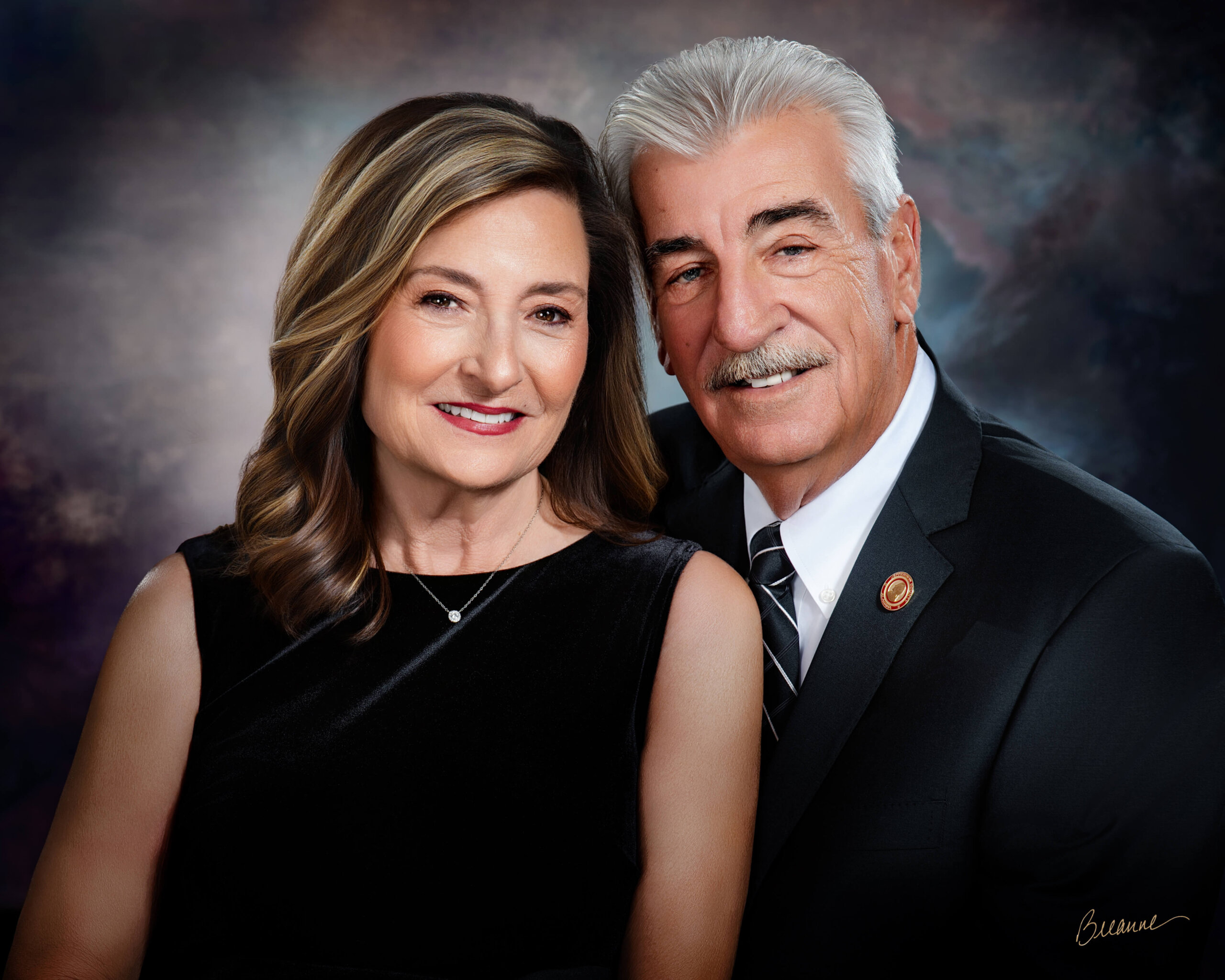
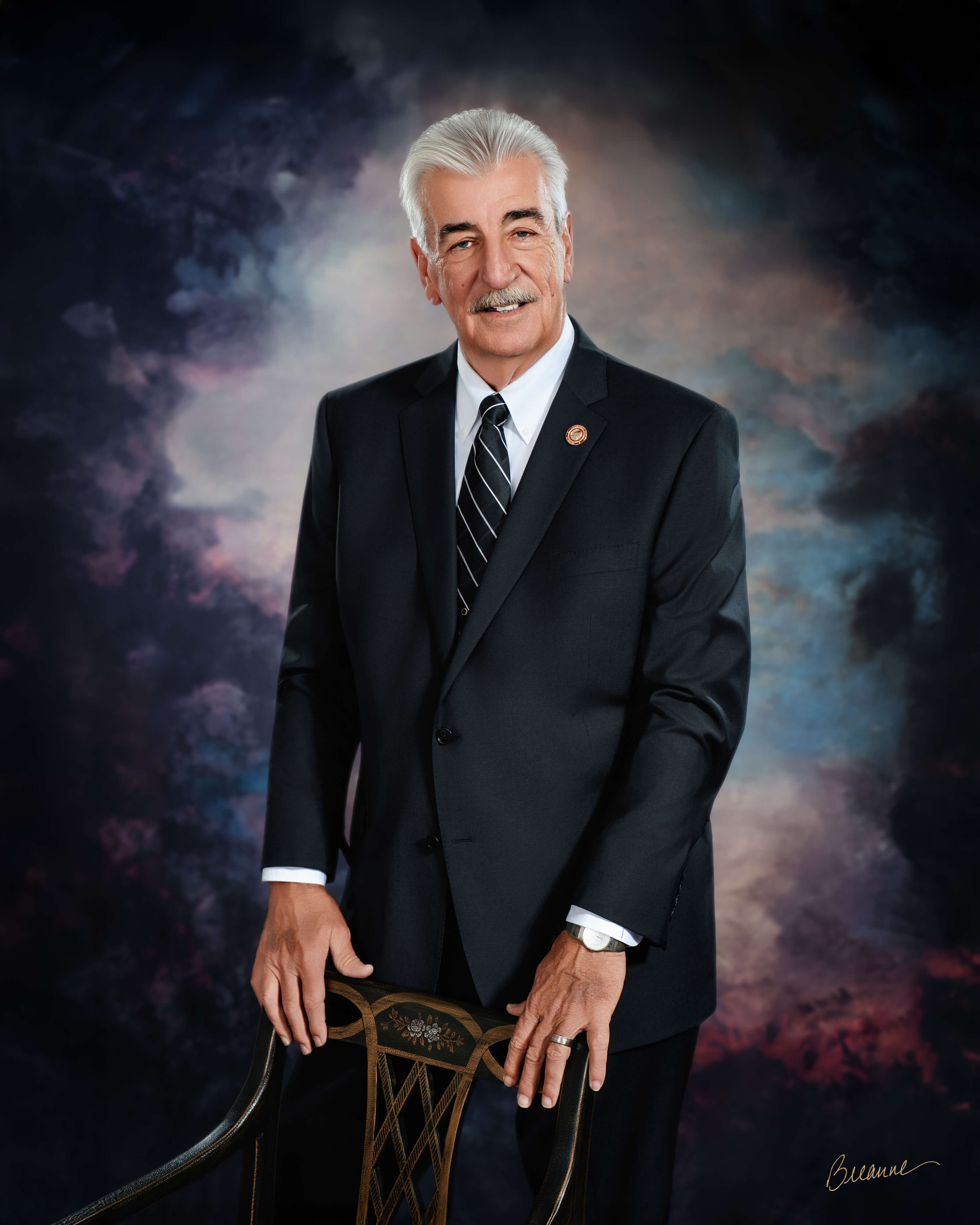
Imagine a portrait that feels timeless, where brushstrokes mingle with memory and every glance tells a deeper story. Painted photography captures that magic, blending the soul of classic art with the clarity of the modern lens.
In this guide, you’ll discover creative painted photography techniques designed for 2026. Whether you’re drawn to heirloom portraits, family photography, headshots, or intimate boudoir art, each method brings emotion and elegance to your images.
Explore evolving trends, essential tools, step-by-step artistry, and expert tips. Let’s create portraits that will be treasured for generations.
The Evolution of Painted Photography: Trends and Inspirations for 2026
From the earliest days, painted photography has been a bridge between memory and imagination. In the mid-1800s, artists painstakingly hand-tinted daguerreotypes, breathing life into monochrome portraits with delicate color. As decades passed, the craft expanded—oil paints, pastels, and watercolors transformed photographs into heirloom treasures, cherished by families across generations. This fusion of mediums set the stage for a genre that celebrates both realism and artistry.
Today, painted photography is experiencing a renaissance in luxury portrait studios and family homes throughout Birmingham, Alabama, and well beyond. Discerning clients seek more than a snapshot—they desire portraits that echo the elegance of classical paintings while preserving the spirit of modern life. Painterly aesthetics are returning to headshots, boudoir, and children’s portraits, each one crafted to evoke authenticity and legacy. Influential portraitists and studios are shaping this resurgence, offering a fresh take on timeless techniques. For a deeper look at the artistry and process behind this movement, the Painted Portraits Overview provides valuable insight.
The technological landscape is also reshaping painted photography. Digital painting tools, AI-assisted retouching, and hybrid analog-digital workflows now empower artists to experiment with texture, color, and light. These advancements make it possible to merge hand-painted elements with digital finesse, resulting in images that feel both contemporary and eternal. Recent statistics show a marked increase in demand for hand-painted portraits, with online searches for “painted photography” and “heirloom portraits” climbing steadily into 2026. This intersection of tradition and technology is redefining what is possible in the genre.
Inspiration abounds, from high-fashion campaigns that drape models in dreamy, brush-stroked backdrops to editorial spreads where family portraits glow with painterly warmth. Intimate sessions—whether boudoir, children, or generational family portraits—rely on painted photography to capture not just faces but stories, histories, and hopes. The emotional resonance of these images is profound. In a digital age saturated with fleeting visuals, painterly portraits stand apart as anchors of identity and memory, offering families in Birmingham and beyond a sense of legacy that feels both personal and timeless.
Essential Tools, Materials, and Studio Setup
The foundation of painted photography lies in the quality of your materials. Every brushstroke, every pigment, and every surface plays a role in transforming a fleeting moment into a cherished heirloom. There’s something deeply satisfying about the weight of archival canvas, the soft texture of fine art paper, and the vibrant richness of professional-grade acrylics or oils. For a painterly finish that stands the test of time, choose acid-free, heavyweight canvas or museum-grade papers, gesso for prepping surfaces, an assortment of brushes for texture, and a reliable matte varnish to protect your work. Consider investing in hand-selected backdrops and custom props—industry leaders like Oliphant and Schmidli are renowned for their craftsmanship. These elements set the stage for painted photography that feels both classic and contemporary.
Traditional and Digital Tools: Finding Your Workflow
Painted photography in 2026 is an artful blend of old and new. Traditionalists may reach for wooden palettes, natural-hair brushes, and slow-drying acrylics to savor the tactile process. Digital artists, on the other hand, rely on high-resolution tablets, styluses, and software like Photoshop or Procreate. Many studios now combine both, using digital sketches to pre-visualize compositions before laying paint to canvas. Hybrid workflows allow for the flexibility of undoing mistakes digitally while preserving the hand-painted authenticity that defines heirloom portraits. The right balance depends on your creative vision and the demands of each session.
Studio Setup and Choosing Colors
A thoughtfully arranged studio supports the artistry and emotion of painted photography. Prioritize soft, natural light or painterly strobe setups that flatter skin tones and textures. Good ventilation is crucial, especially when working with solvents or sprays. Allow enough space to move comfortably around large backdrops or canvas. Select color palettes with intention—deep greens, muted neutrals, and moody mauves are trending for 2026, adding depth and warmth to family portraits, headshots, and boudoir. For inspiration and practical tips on trending hues, explore the 9 New Hand-Painted Canvas Backdrop Colors Perfect for 2026 Wedding and Portrait Photography.
Budgeting, Organization, and Studio Safety
Building a painted photography practice does not require extravagance—thoughtful choices matter more than endless options. Budget by investing first in the essentials: quality canvas, versatile brushes, and a few trusted paints. Organize your space with labeled bins for tools, a dedicated drying area, and a cleaning routine that keeps creativity flowing. Always store chemicals and adhesives safely, away from heat and pets. Wear gloves when mixing paints and ventilate the room during priming or varnishing. With care and intention, your studio will become a sanctuary for both artistry and memory, ready to create portraits that will be treasured for generations.
Preparing for a Painted Photography Session: Planning and Conceptualization
Creating artful, timeless portraits begins long before the camera comes out. Preparation is where intention, artistry, and trust take root. Each painted photography session is a collaboration, blending your client’s vision with your creative process to craft something truly meaningful.
Client Consultations & Emotional Storytelling
The foundation of painted photography is understanding each client’s unique story. Begin every session with a thoughtful conversation. Ask about family history, legacy hopes, and the emotions they want to capture. Listen for details—a cherished heirloom, a favorite room, a meaningful color—that can inspire your artistic choices.
Encourage clients to share memories or milestones they wish to honor. This approach helps you design painted photography sessions that feel personal and heartfelt. For families in Birmingham, Alabama and beyond, connecting on this level transforms portraits into treasured keepsakes. If you want to delve deeper into how painted photography preserves family legacy, the Heirloom Family Photography Guide offers beautiful inspiration.
Wardrobe, Set Styling & Prop Curation
Wardrobe and styling set the tone for each painted photography session. Invite clients to select clothing in soft, classic fabrics—linen, silk, or cotton—with subtle patterns or rich, solid hues. These choices harmonize beautifully with painterly backdrops.
Curate props that speak to your client’s story: a vintage book, a beloved toy, or a family heirloom. For set styling, choose simple, timeless pieces that let the subject shine. Layering textures and thoughtfully chosen objects elevates the entire painted photography experience. Keep a checklist of wardrobe and prop ideas ready to share during planning.
Moodboarding & Visual Planning
Moodboards are a powerful tool in painted photography. Gather inspiration from fine art, nature, and your client’s own life. Pin images, fabrics, and color swatches that capture the desired mood. This visual map guides decisions about backdrop colors, lighting, and painterly effects.
Use digital sketching apps or simple paper drawings to pre-visualize compositions. Experiment with different arrangements, poses, and color palettes. Moodboarding helps clients feel involved and excited about their painted photography session, ensuring everyone shares the same vision for the final artwork.
Pre-Session Logistics & Emotional Intention
Before the session, finalize logistics to create a seamless, relaxed experience. Double-check your supply list: canvases, paints, lighting gear, and any custom props. Communicate clearly with your client about arrival times, wardrobe, and expectations.
Collaborate with hair and makeup artists to ensure a cohesive, timeless look that suits the painted photography style. Take a few test shots or digital sketches to refine your concept and adjust lighting. Most importantly, hold space for the emotions you want to evoke—beauty, dignity, and connection. With thoughtful planning, your painted photography session becomes a work of art from the very beginning.
Step-by-Step Guide: Creating Your Own Painted Photography Backdrop
Few things elevate painted photography like a custom, hand-crafted backdrop. The process is both meditative and practical, blending artistry with intention. Let’s walk through each step, from materials to final touches, so your portraits feel truly timeless.
Choosing the Right Canvas and Materials
Start with a canvas that suits your vision. #12 cotton duck is a classic, offering durability and texture ideal for large, heirloom painted photography backdrops. Lighter canvas weights are easier to handle but may wrinkle more easily, especially with repeated use.
| Canvas Type | Texture | Durability | Best Use |
|---|---|---|---|
| #12 Cotton Duck | Heavy, firm | High | Full-length |
| Lightweight Duck | Softer, thin | Moderate | Close-ups, travel |
Source archival, acid-free canvas from trusted suppliers like Jerry’s Artarama or Big Duck Canvas. For painted photography, choose acrylic paints with a matte finish—brands like Golden and Liquitex offer rich pigments. Always use artist-grade gesso for a receptive, smooth base. Neutral tones work beautifully, allowing for versatility across family portraits, boudoir, and headshots.
Budget wisely. While premium supplies last longer and protect your work, there are cost-saving options when starting out. Select brushes in varied sizes, and keep a matte varnish on hand for the final seal.
Securing and Stretching the Canvas
A taut, wrinkle-free surface is essential for professional-looking painted photography. Two common methods exist: the tape and pin approach, and the wooden frame with staples.
- Tape and Pin: Lay the canvas flat, secure edges with duct tape and pins to a clean floor or wall. This is quick and works in small spaces.
- Wooden Frame and Staples: Stretch canvas over a wooden platform, stapling from the center outward, alternating sides for even tension.
Remove creases with a gentle steam or by hand-smoothing before stretching. Watch out for puckering or warping, especially if the canvas is damp. Always protect your workspace with plastic sheeting or drop cloths.
If you’re working at home, patience is key. Take time to check for even tension, and don’t hesitate to redo sections if needed. Many Birmingham, Alabama studios swear by prepping multiple canvases at once for efficiency.
Priming and Preparing the Surface
Gesso is your best friend for painted photography backdrops. Apply two to three coats with a wide brush or roller, letting each layer dry fully. This primes the surface, ensuring paint adheres well and colors appear vibrant.
Work in long, even strokes to avoid brush marks. Sponges can create a soft, cloud-like effect. Good ventilation is important—open windows or use fans when priming. Allow at least an hour between coats.
A smooth, matte finish is ideal for photography, as it reduces glare and enhances painterly depth. Matte surfaces also photograph beautifully in both natural and strobe lighting. Take your time here; a well-primed canvas sets the stage for every portrait to come.
Painting Techniques for Artistic Backdrops
Now for the creative heart of painted photography. Foundational techniques include sponging, dry brushing, and glazing. Sponging gives a mottled, classic look, while dry brushing adds texture and energy. Layering glazes lets you build depth and mimic painterly light.
For color mixing, start with two or three harmonious hues. Gradually layer, blending edges with a dry brush for seamless transitions. Test your mixtures on small swatches before committing to the full canvas.
Here are a few creative ideas:
- Mottled backgrounds: Dab and blend with a sea sponge for subtle movement.
- Gradient washes: Use diluted paint and a wide brush for soft transitions.
- Metallic accents: Add a hint of gold or silver for modern heirloom appeal.
- Abstract patterns: Layer shapes or lines for editorial or fashion-inspired portraits.
Acrylic retarders and matte mediums slow drying, giving you more time to refine. Don’t rush—let each layer dry before adding the next. For inspiration, explore the Hand-Painted Oil Portraits Portfolio to see how different techniques shape mood and lighting in painted photography.
The right backdrop transforms every session, from children’s heirloom portraits to intimate boudoir. Experiment, trust your instincts, and let the process reflect your unique vision.
Finishing, Storing, and Maintaining Your Backdrop
Seal your finished canvas with a matte varnish. This step protects the painting, minimizes glare, and ensures longevity for painted photography sessions. For storage, roll the backdrop around a sturdy cardboard tube—never fold, as creases can become permanent. Store in a cool, dry place, away from direct sunlight or humidity.
To clean, gently dust with a soft brush. Touch up minor scuffs with leftover paint. For professional studios, label and catalog each backdrop for easy rotation and variety in portrait sessions.
Take time to maintain your investment. Proper care ensures your painted photography backdrops remain heirloom-quality, ready to add warmth and character to every portrait you create.
Advanced Creative Techniques: Blending Painting and Photography
The world of painted photography is evolving, blending time-honored artistry with digital innovation. Digital painting overlays have become a powerful tool for portrait artists. With platforms like Photoshop and Procreate, you can layer brushstrokes, textures, and painterly light onto photographs, transforming them into bespoke heirlooms. AI-assisted tools now offer even more creative freedom, helping artists mimic classic oil or pastel effects with remarkable subtlety. These advancements are central to emerging trends for 2026, as explored in 2026 Photography Trends: Key Shifts from 2025, where hybrid workflows are shaping the future of painted photography.
Compositing is another cornerstone technique. By merging hand-painted backgrounds or elements with digital images, artists create portraits that feel timeless yet fresh. Layer blending and digital brushwork add depth and tactile richness, echoing the luminous quality of classical portraiture. Painted photography thrives on this interplay of real and imagined, letting you craft family portraits, headshots, or boudoir images that feel both intimate and grand. Experimenting with texture can evoke emotion—a soft haze for nostalgia, bold brushstrokes for drama, or delicate glazes for a whisper of movement.
Lighting, both in the studio and in post-production, is the silent storyteller of painted photography. Painterly lighting setups—think Rembrandt or chiaroscuro—cast gentle shadows and highlight contours, giving portraits a sculptural, three-dimensional feel. After capture, color grading becomes the artist’s palette. Subtle shifts in hue and tone can elevate a portrait from beautiful to breathtaking. For inspiration on crafting striking palettes that resonate with legacy and luxury, explore Color Trends in Art 2026, which offers a preview of hues destined to define the year’s most memorable images.
The art of painted photography is as much about emotion as technique. Hand-painted props, custom wardrobe accents, and tactile finishes invite viewers into the story behind each portrait. Case studies of Birmingham, Alabama portraitists reveal how advanced techniques have transformed standard sessions into legacy artwork—family portraits that radiate warmth, headshots with soulful depth, boudoir images that balance empowerment and grace. Through every creative decision, authenticity remains the guiding star. Painted photography endures because it preserves not just appearances, but the spirit and memory of those we love.
Expert Tips for Painted Portraits: From Headshots to Heirlooms
Capturing Emotional Depth in Painted Family Portraits
Painted photography holds a unique power to preserve the heart of a family’s story. Begin each session by listening deeply to your clients—ask about cherished memories, family heirlooms, and what legacy means to them. The goal is to create painted photography that feels both timeless and personal.
For group portraits, guide your subjects into close, natural arrangements. Encourage gentle gestures, relaxed hands, and soft eye contact. These details foster connection and authenticity in every frame. Choose backgrounds and color palettes that echo the family’s spirit—muted blues and warm neutrals often evoke comfort and unity.
Invite families to bring personal objects or heirlooms. These elements add layers of meaning, transforming painted photography into a true legacy piece. Involve clients in creative decisions, from wardrobe to set design, so every portrait feels like a collaboration. Painted photography becomes a vessel for memory, dignity, and beauty, capturing the fleeting essence of togetherness.
Elevating Professional Headshots with Painterly Techniques
A well-crafted painted photography headshot can redefine personal branding. Start with painterly lighting that flatters skin tones and highlights the subject’s unique features. Soft window light or a gentle strobe creates depth and a classic feel, while a carefully chosen backdrop adds sophistication without distraction.
When styling, recommend wardrobe options in solid, elegant tones—think deep greens, navy, or cream. These colors photograph beautifully and suit painted photography’s refined aesthetic. For retouching, aim for subtlety. Enhance natural textures and expressions, but avoid over-polishing. Authenticity is key to making the image resonate.
Clients in Birmingham, Alabama, often seek headshots that feel confident and approachable. Use painterly effects sparingly—perhaps a hint of texture in the background or a soft vignette around the shoulders. Painted photography for headshots stands out by blending modern professionalism with timeless artistry, ensuring every portrait feels both current and enduring.
Sensuality and Empowerment: Painterly Boudoir Portraits
Painted photography transforms boudoir sessions into intimate works of art. Begin with lighting that sculpts the body in soft, flattering shadows. A painterly backdrop—muted grays, dusky rose, or deep emerald—creates a sense of privacy and allure. Encourage your client to choose wardrobe pieces that make them feel empowered, whether silk robes or vintage lace.
Guide posing gently, focusing on relaxed hands, natural curves, and confident posture. The atmosphere should be warm and respectful, building trust and comfort throughout the session. Painted photography allows for subtle enhancements: a brushstroke of light across the shoulder, a softened edge to the scene, a hint of painterly blur that feels romantic rather than artificial.
Personalize each session by asking about meaningful details—perhaps a favorite flower or a cherished piece of jewelry. Painted photography in boudoir celebrates individuality, offering clients a legacy portrait that is both sensual and deeply affirming.
Children’s and Pet Portraits: Capturing Innocence and Spirit
Children and pets bring spontaneity and wonder to painted photography. Sessions move quickly—patience and play are essential. Use props that spark curiosity, like vintage toys or delicate floral crowns, to draw out genuine expressions. Painted photography benefits from backgrounds that feel soft and dreamy, allowing the subject’s spirit to shine.
Keep the atmosphere light, with gentle encouragement and plenty of breaks. For children, storytelling can help: weave a narrative that turns the session into an adventure. Pets respond to calm voices and favorite treats, making painted photography sessions joyful and stress-free.
For inspiration and techniques specific to timeless children’s work, explore Children’s Heirloom Portraits. These examples show how painted photography preserves innocence and personality in every brushstroke. Collaborate with families to capture fleeting moments—these portraits become cherished heirlooms, rich with emotion.
Creating Heirloom Artwork for Southern Homes
Painted photography is a natural fit for Southern-inspired interiors, especially in Birmingham, Alabama. When planning display, consider the home’s light, color palette, and architectural features. Large-scale portraits above mantels or grouped in gallery walls create focal points filled with warmth and tradition.
Choose archival materials and museum-grade framing to protect against humidity and sunlight, ensuring your painted photography endures for generations. Select frames and matting that complement both the artwork and the room’s décor—antique gold, distressed wood, or classic black are timeless choices.
Regularly update displays with new painted photography as families grow or seasons change. Encourage clients to share the stories behind their portraits, weaving legacy into daily life. Painted photography offers more than decoration—it anchors memory, celebrates heritage, and brings beauty into every corner of the home.
If you’ve been inspired by these creative painted photography techniques and you’re already imagining your own story told in timeless, artful images, you’re not alone. There’s something special about transforming memories into heirloom pieces that truly feel like you. Whether you’re dreaming of a portrait that honors your family’s legacy, captures a milestone, or simply brings a sense of beauty to your space, it starts with a conversation. Let’s talk about your vision, the colors and light that move you, and how we can craft something meaningful together. Ready to begin? Book Your Portrait Consultation
+ view the comments