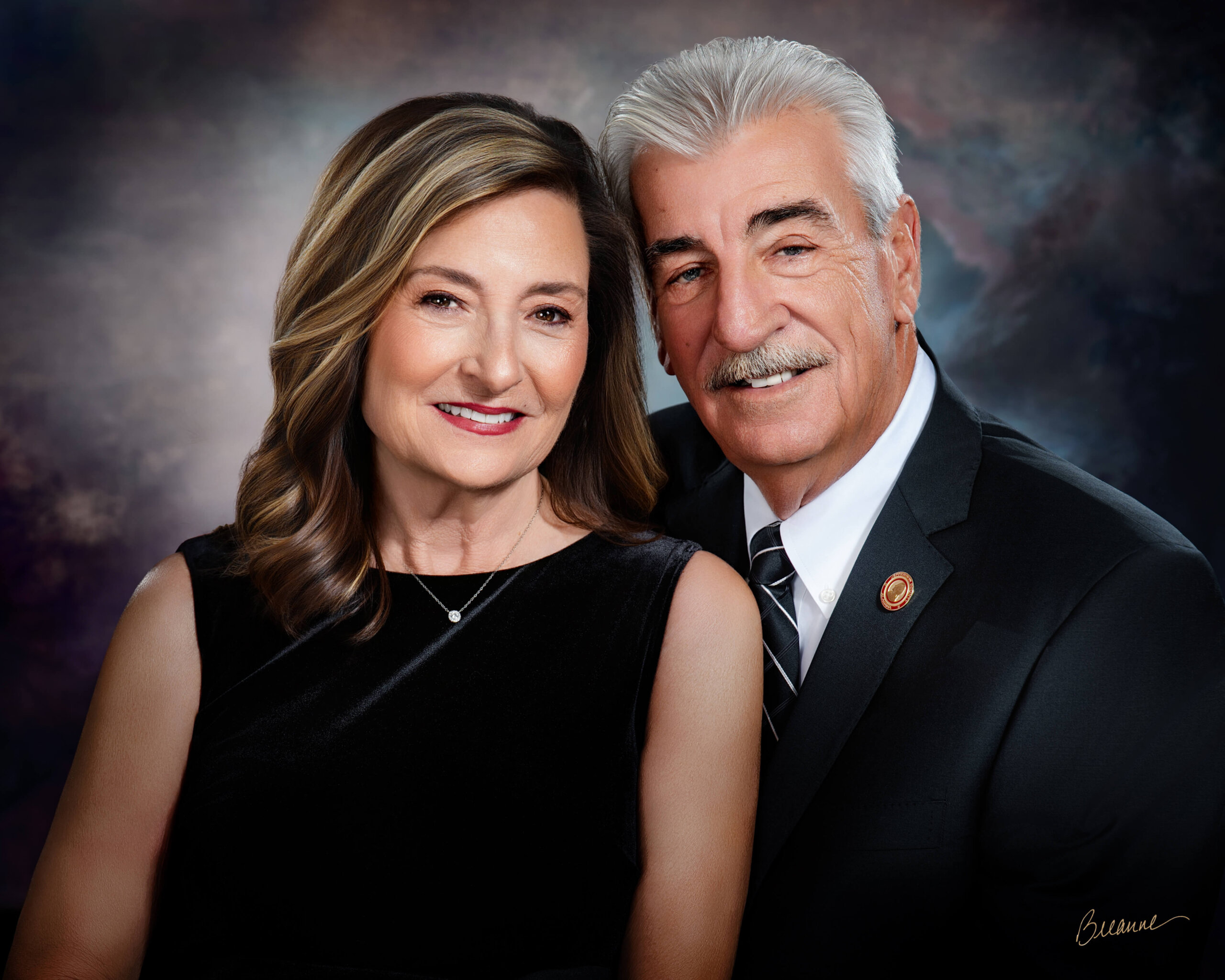
Have you ever wished a fleeting photograph could become a timeless painted heirloom, capturing not just a likeness but a legacy? Imagine your most cherished moments, family portraits, or soulful headshots transformed into expressive works of art through the magic of photography painting.
This guide is your definitive companion for mastering photography painting in 2026, blending the precision of a lens with the heart of a brush. Whether you dream of painted portraits for your Birmingham, Alabama home, or seek to create boudoir art with emotional depth, you’ll find step-by-step wisdom here.
You’ll explore foundational concepts, discover essential tools, and learn the secrets behind creating museum-quality artwork. From creative inspiration to advanced techniques and the artistry of post-processing, this guide will help you turn memories into heirlooms—one brushstroke at a time.
Understanding Photography Painting: Foundations and Evolution
Defining Photography Painting Techniques
Photography painting blends the precision of the camera with the soul of the artist’s brush. From soft digital brushwork on a tablet to the tactile experience of hand-painting over a printed photograph, this craft bridges two worlds. Painted portraits, digital painting, and traditional methods each bring a unique touch to a finished piece.
In luxury studios, artists often use photography painting to turn headshots, family portraits, and boudoir images into expressive heirlooms. If you’re curious about the step-by-step process, you can explore Painted Portraits from Photos for real examples and inspiration.
Historical Context and Modern Trends
Photography painting has roots reaching back to the earliest days of photography, when artists delicately tinted black-and-white photos with watercolor or oils. Over time, techniques evolved, embracing both analog and digital tools.
Today, there’s a revival of heirloom portraiture, especially in places like Birmingham, Alabama. Families and professionals are drawn to painterly images that feel timeless, emotionally rich, and worthy of display. This resurgence is visible in the growing demand for luxury, hand-finished artwork in portrait studios.
Key Styles and Artistic Approaches
Photography painting encompasses a range of styles. Some artists strive for realism, layering fine brushwork to capture every detail. Others lean into impressionism, using loose strokes and rich color to evoke mood. Abstract approaches invite even more freedom, focusing on texture and tone.
Consider these examples:
- Painterly lighting and soft focus in boudoir artwork
- Classic, balanced compositions in family portraits
- Expressive, whimsical brushwork for pet paintings
Color palettes, texture, and mood all play a vital role. Artists often select hues that evoke nostalgia or joy, blending them with photographic detail for a signature finish.
Benefits of Photography Painting for Legacy and Expression
The true magic of photography painting lies in its power to preserve memory and identity as heirloom artwork. Each piece becomes a deeply personal story, capturing moments that matter—birthdays, milestones, family bonds, or quiet self-reflection.
Benefits include:
- Emotional depth that a traditional photo alone cannot offer
- Timelessness, making each portrait a future family treasure
- Customization, ensuring each painted portrait feels bespoke
Recent data shows a significant rise in custom portraiture and hand-finished art commissions in 2025 and 2026. Artful storytelling is at the heart of photography painting, offering families, professionals, and individuals a way to turn cherished photographs into lasting, meaningful works of art.
Essential Tools and Materials for Photography Painting
The tools and materials you choose shape the soul of your photography painting. Every decision, from the first photograph to the final brushstroke, lays the foundation for artwork that feels timeless and deeply personal.
Choosing the Right Base Image
A powerful photography painting always begins with a thoughtfully chosen photograph. Look for images with soft, directional light and expressive composition. High resolution is essential to capture the subtle details that make painted portraits feel alive.
Select photos that evoke emotion—a child’s gaze, a family’s embrace, or the quiet confidence in a headshot. For children’s heirloom portraits, prioritize clarity and gentle lighting. Dramatic headshots often benefit from shadow and contrast, adding dimension to the final artwork.
Digital Tools: Hardware and Software
Modern photography painting thrives on digital artistry. Leading programs like Adobe Photoshop, Corel Painter, and Procreate offer a range of brushes and blending tools, each mimicking the nuances of traditional paint.
For natural brushwork, pair these with a pressure-sensitive tablet, such as a Wacom or iPad Pro, and a high-quality stylus. Calibrate your monitor to ensure colors remain true from sketch to print. This digital toolkit empowers artists to create painterly family portraits, expressive boudoir images, and luminous headshots with precision.
Traditional Materials and Hybrid Techniques
To bridge the tactile beauty of traditional media with digital innovation, invest in archival fine art papers or canvas for printing your base image. Choose paints—oils for richness, acrylics for versatility, or watercolors for softness—paired with quality brushes designed for detail and texture.
Many artists enhance their photography painting by combining digital and hand-painted methods. For a deeper dive into merging these worlds, explore the insights in Bridging tradition and technology in digital oil painting. Hybrid approaches allow for layered depth, making each piece a true heirloom.
Color Management and Print Preparation
Color fidelity is crucial in photography painting. Work in calibrated color profiles (such as Adobe RGB), and use soft proofing to preview prints accurately. Choose archival inks and museum-grade papers to ensure your painted portraits retain vibrancy and resist fading over time.
Prepare files at high resolution and verify print settings before production. This care preserves the emotional resonance and longevity of every family portrait, headshot, or boudoir artwork you create.
Studio Setup and Lighting
A well-considered studio supports both technical excellence and creative flow in photography painting. Use daylight-balanced bulbs to maintain accurate color perception, and keep walls neutral to avoid color casts.
Arrange your workspace for comfort and inspiration. For painterly lighting, position your subject or artwork near large windows or softboxes, shaping mood and depth. Whether in Birmingham, Alabama or beyond, this environment nurtures expressive, museum-quality results.
Step-by-Step Guide: Transforming a Photograph into a Painted Masterpiece
Turning a favorite photograph into a painted heirloom is a journey of both heart and craft. The process invites you to slow down, notice the subtle interplay of light, and infuse each brushstroke with meaning. Whether you’re creating painted portraits, expressive headshots, or timeless family portraits, this guide will walk you through each step of photography painting, blending technical mastery with artistic sensitivity.
Preparing Your Image for Painting
Every masterpiece begins with a thoughtful foundation. When selecting your base photo for photography painting, look for images with gentle, natural light and strong composition. The subject’s emotion should be clear, whether in a child’s laughter or the quiet pride of a generational portrait.
Start by cropping to focus on the story you want to tell. Remove any distractions that pull the eye away from your subject. Subtle retouching—like smoothing skin or brightening eyes—can enhance the expressiveness without losing authenticity.
Next, refine the composition to guide the viewer’s gaze. Adjust exposure and contrast for depth. Fine-tune the color balance to evoke the right mood, whether you want a warm, nostalgic glow or a cool, modern atmosphere. Preparing your image carefully is essential for a photography painting that feels both personal and enduring.
Digital Painting Workflow
Digital tools bring a painter’s touch to your photographs, opening up endless creative possibilities. In photography painting, start by building up your image in layers. Begin with an underpainting layer to establish basic tones, then gradually add midtones and highlights.
Experiment with different digital brushes to mimic the texture of oils, acrylics, or watercolors. Customizing brush settings helps you capture the subtle nuances of skin, fabric, or hair. Use glazing techniques to build transparent color and depth, and blend edges softly for a painterly finish.
Texture overlays add another dimension, letting you evoke the tactile richness of traditional painted portraits. Take your time, zooming in for detail and stepping back to see the whole piece. The digital workflow allows for experimentation and refinement, making it a favorite for modern family portraits, boudoir sessions, and expressive headshots in photography painting.
Hand-Painting Over Printed Photographs
For those craving the tactile satisfaction of brush on canvas, hand-painting over a printed photograph merges the best of both worlds. Begin by selecting a high-quality print on fine art paper or canvas. Prepare the surface with a gentle spray or light sanding if needed, ensuring paint will adhere.
Choose paints that complement your print—oils for luminous blending, acrylics for quick layering, or watercolors for delicate washes. Use soft, flexible brushes for smooth transitions and finer brushes for details like eyes or jewelry.
Blend your paint into the photographic elements, creating seamless transitions between reality and imagination. This process is especially powerful for heirloom children’s portraits or generational family portraits. For inspiration and real-world examples, explore the Hand-Painted Oil Portraits Portfolio, which showcases the artistry possible with photography painting. Each piece becomes a one-of-a-kind treasure, echoing the spirit of Birmingham, Alabama’s legacy of craftsmanship.
Blending Digital and Traditional Methods
Hybrid approaches offer the best of both digital innovation and timeless artistry. Start with digital enhancements—retouching, color grading, or sketching outlines—before printing your image on canvas. Once printed, add hand-painted accents using oils or acrylics.
You might apply a digital underpainting, then finish with oil glazes for depth. Or, highlight select areas—like a child’s eyes or a beloved pet’s fur—with acrylic strokes atop an inkjet print. This layered process can create a photography painting with unique character and personal symbolism.
Hybrid techniques are ideal for custom commissions, allowing you to tailor the artwork to each client’s story. Whether capturing a professional’s headshot or a multi-generational family portrait, blending methods results in expressive, tactile pieces that bridge old and new.
Adding Painterly Lighting and Mood
Lighting sets the emotional tone in photography painting. To create cinematic mood, study where light falls across your subject’s face, hands, or clothing. Apply soft, glowing highlights to cheeks or hair for a luminous effect.
Use cooler shadows and warmer highlights to evoke intimacy, especially in boudoir or generational portraits. Brushwork can suggest atmosphere—a gentle blur for softness, or crisp lines for clarity and focus.
Experiment with color temperature to enhance emotion. A golden palette infuses warmth and nostalgia, while blues and violets bring calm and sophistication. Try transforming an ordinary Birmingham, Alabama family portrait into an heirloom by softening edges, enriching color, and layering subtle glazes for depth. Each decision shapes the story your photography painting tells.
Finishing Touches: Varnishing, Framing, and Presentation
The final steps elevate your photography painting from beautiful image to legacy artwork. Once the paint is dry, apply a protective varnish to enhance vibrancy and ensure longevity. Choose archival-quality varnishes for heirloom durability.
Select a frame that complements both the artwork and the space it will inhabit. Ornate frames add classical elegance, while simple, modern frames suit contemporary interiors. Consider the environment—UV-protective glass can help preserve color in bright rooms.
Add your signature or an artist’s mark for authenticity. Provide a certificate of authenticity and installation tips, helping families care for their painted portraits for generations. With thoughtful presentation, your photography painting becomes more than decor—it becomes a cherished piece of family history.
Advanced Techniques and Artistic Flourishes
Realism vs. Impressionism: Choosing Your Signature Style
In photography painting, your chosen style becomes your signature. Some artists are drawn to photorealistic detail, capturing every eyelash and subtle shadow, while others embrace the expressive, fluid brushwork of impressionism. Both approaches have a place in painted portraits, family portraits, and even boudoir sessions.
Let’s compare side by side:
| Style | Approach | Best For |
|---|---|---|
| Realism | Fine detail, smooth blending | Headshots, legacy art |
| Impressionism | Loose strokes, visible texture | Children, boudoir, pets |
Photorealism suits work where precision matters, such as professional headshots or generational family portraits. Impressionism brings emotion and movement, perfect for children’s heirloom artwork and romantic boudoir. If you love exploring technique, consider insights from classic masters—this Survey on Van Gogh’s early painting technique offers inspiration for modern photography painting.
Creating Depth, Texture, and Visual Interest
Depth transforms a simple photo into an heirloom. With photography painting, layering is your friend. Start with broad underpainting, then build up with textured brushwork, impasto effects, or digital overlays.
Try these techniques:
- Use a palette knife or textured brush for tactile surfaces.
- Introduce negative space to guide the viewer’s eye.
- Vary brush size and pressure for organic flow.
In painted family portraits or pet portraits, texture creates a sense of presence and warmth. The interplay of soft and sharp edges helps tell the subject’s story in every stroke of your photography painting.
Color Theory for Emotional Impact
Color is the heart of photography painting. The right palette can evoke nostalgia, joy, or gentle intimacy. For a timeless family portrait, muted earth tones bring warmth and comfort. In boudoir, soft pastels or deep jewel hues add romance.
Harmonize painted and photographic elements by adjusting saturation and temperature. Use color grading to unify the mood. A thoughtful approach to color theory in photography painting ensures your artwork feels cohesive and emotionally resonant.
Artistic Edits: Backgrounds, Overlays, and Embellishments
Backgrounds set the stage for your subject. In photography painting, replacing a cluttered backdrop with hand-painted elegance can elevate a portrait into fine art. Consider subtle overlays—florals, gold leaf, or abstract patterns—for a bespoke finish.
Add personal symbolism, like heirloom jewelry or a favorite flower, to make each piece unique. These artistic edits transform ordinary photographs into meaningful, layered stories. Photography painting invites you to weave memory and imagination together, one brushstroke at a time.
Working with Light, Shadow, and Atmosphere
Light is the soul of photography painting. Mastering painterly lighting techniques—such as rim light, chiaroscuro, or soft glows—brings drama and depth to your portraits. Experiment with gentle shadows to sculpt features and set the mood.
In family portraits from Birmingham, Alabama, or expressive boudoir art, let atmosphere guide your choices. Use brushwork to capture the softness of natural light or the intimacy of candlelit scenes. Every nuance of light and shadow deepens the emotional impact of your photography painting.
Troubleshooting Common Challenges
Every artist faces hurdles in photography painting. Color shifts can occur when moving from screen to print. To solve this, calibrate your monitor and use archival-quality materials. If brushstrokes look unnatural, try varying opacity and pressure, or blend with a softer tool.
When digital and traditional techniques don’t merge seamlessly, step back and evaluate transitions. Sometimes, adding a unifying glaze or adjusting texture can solve the issue. Above all, remember that each challenge is a chance to refine your craft and create lasting, heirloom artwork through photography painting.
Creative Inspiration: Subject Ideas and Artistic Storytelling
Painted Portraits: Families, Children, and Generational Legacy
Every family portrait tells a story, a tapestry woven from memories, milestones, and the gentle touch of connection. In photography painting, these moments become heirlooms, capturing the laughter of children, the wisdom in grandparents’ eyes, and the unique spirit of a family.
If you’re seeking inspiration for your next painted portrait, explore multi-generational groupings, sibling bonds, or childhood innocence. For more in-depth ideas and guidance, the Family Portrait Painting Guide offers practical tips for creating art that celebrates legacy.
Professional Headshots and Personal Branding
A headshot can be more than a simple likeness. Through painterly techniques, professional portraits gain depth, character, and a sense of quiet confidence.
Consider photography painting for lawyers, artists, or entrepreneurs in Birmingham, Alabama, aiming to elevate their brand with a touch of sophistication. Use expressive lighting or a subtle color wash to convey authority and warmth, making each portrait a statement piece for both digital and print portfolios.
Boudoir and Empowerment Sessions
Boudoir sessions in photography painting are about transformation—turning moments of vulnerability into works of art that radiate confidence. Soft, painterly brushwork can lend a dreamy quality, while bold lines accentuate strength.
Experiment with classic poses, delicate fabrics, or vintage-inspired palettes. Think about how lighting, color, and brush technique can evoke intimacy and self-assurance, creating artwork that feels both empowering and timeless.
Pet Portraits and Animal Companions
Our animal companions hold a special place in our hearts. Photography painting brings their personalities to life, from the soulful gaze of a dog to the playful tilt of a cat’s head.
Try capturing a pet’s favorite spot, a beloved toy, or even a whimsical element like a floral crown. Expressive brushwork and vibrant color can transform a simple photo into a cherished piece that honors the bond between people and their pets.
Commissioned Artworks and Custom Projects
Working with clients on custom photography painting projects opens doors to storytelling. Collaborate to include meaningful locations, family heirlooms, or objects that represent a shared history.
Listen for stories—a father’s old watch, a childhood home, a favorite book. These details, woven into the artwork, create a piece that is deeply personal and rich with narrative, making every commission a unique celebration of legacy and connection.
Trends in Fine Art Photography Painting (2026)
This year, photography painting is embracing lush Southern-inspired color palettes, tactile mixed media, and creative display formats. Artists in Birmingham, Alabama, and beyond are blending traditional hand-finishing with digital techniques for a modern yet timeless effect.
Expect to see more large-scale, statement pieces, subtle gold leaf accents, and storytelling through layered textures. As demand for bespoke, heirloom artwork grows, photography painting continues to evolve, honoring both tradition and innovation.
Post-Processing, Archival Quality, and Artwork Longevity
Preserving the artistry and emotional resonance of photography painting goes beyond the moment of creation. The care you take in post-processing, printing, and presentation ensures every painted portrait, family portrait, or headshot becomes a cherished heirloom for generations.
Final Digital Edits and Enhancements
The final stage of photography painting is where subtlety meets intention. Sharpen details thoughtfully, paying attention to the natural textures and brushwork you’ve layered throughout the process.
Use color grading tools to unify your palette, infusing the portrait with warmth or coolness that evokes the desired mood. AI-powered retouching can refine skin tones or enhance painterly effects, but restraint is key. Every adjustment should support the emotional story rather than overpower it.
Before sending your artwork to print, view it at full size and in different lighting conditions. This careful review helps catch distractions or inconsistencies, letting the true spirit of the painting shine.
Archival Printing and Material Selection
Selecting archival materials is essential for photography painting that’s meant to last. Museum-grade papers, cotton canvases, and pigment-based inks offer both beauty and endurance. These choices protect your family portraits and boudoir artworks from fading or yellowing over time.
Below is a quick comparison table of archival materials:
| Material | Longevity | Texture | Best For |
|---|---|---|---|
| Cotton Rag Paper | 100+ yrs | Soft, matte | Painted portraits |
| Canvas | 80+ yrs | Subtle weave | Heirloom artwork |
| Pigment Ink | 100+ yrs | Vivid, stable | All fine art prints |
Always soft-proof your files and use the correct color profiles to ensure what you see on screen matches the final print. The right combination of materials and process elevates photography painting into a legacy piece.
Framing, Mounting, and Display Best Practices
Thoughtful framing protects and elevates your photography painting. Choose frames that complement the mood—ornate gold for classical family portraits, sleek black for modern headshots, or natural wood for children’s heirloom pieces.
Use UV-protective glass or acrylic to shield colors from sunlight. Mount artwork with acid-free materials to prevent discoloration. For display, consider lighting that gently highlights texture and brushwork without causing glare.
When installing at home or in a gallery, hang artwork at eye level and away from direct heat or moisture. These small choices ensure your painted heirlooms remain vibrant and safe for years.
Caring for Heirloom Painted Artwork
Gentle care preserves the beauty and emotional depth of photography painting. Dust frames and glass with a soft, dry cloth. Avoid sprays or chemicals near the artwork. For storage, keep pieces in a climate-controlled space, away from humidity and direct sun.
If you’re gifting or passing down a painted portrait, share care instructions with your family. For more on legacy artwork and its preservation, the Children’s Heirloom Portraits guide offers valuable insights on maintaining generational treasures.
Educating clients on preservation turns each piece into an enduring symbol of love and memory.
Certificates of Authenticity and Legacy Documentation
A certificate of authenticity adds provenance and value to every photography painting. Include details like the artist’s signature, date, materials, and a brief story behind the portrait or boudoir session.
Encourage clients to record memories, milestones, and family stories alongside their artwork. This documentation transforms painted portraits into living heirlooms, connecting generations in Birmingham, Alabama and beyond.
Each step, from post-processing to legacy documentation, ensures your photography painting stands the test of time—both as art and as memory.
If you’ve made it this far, you probably feel that pull—the one that comes from wanting your art to mean more, to hold memories in a way that feels both timeless and truly yours. We’ve covered a lot, from painterly lighting to blending brushwork and photo detail, but sometimes the best next step is to see it in action with your own story. If you’ve ever wondered what it would feel like to watch your memories become heirlooms, crafted with care and intention, I’d love to help you start. Ready to explore what’s possible? Book Your Portrait Consultation
+ view the comments