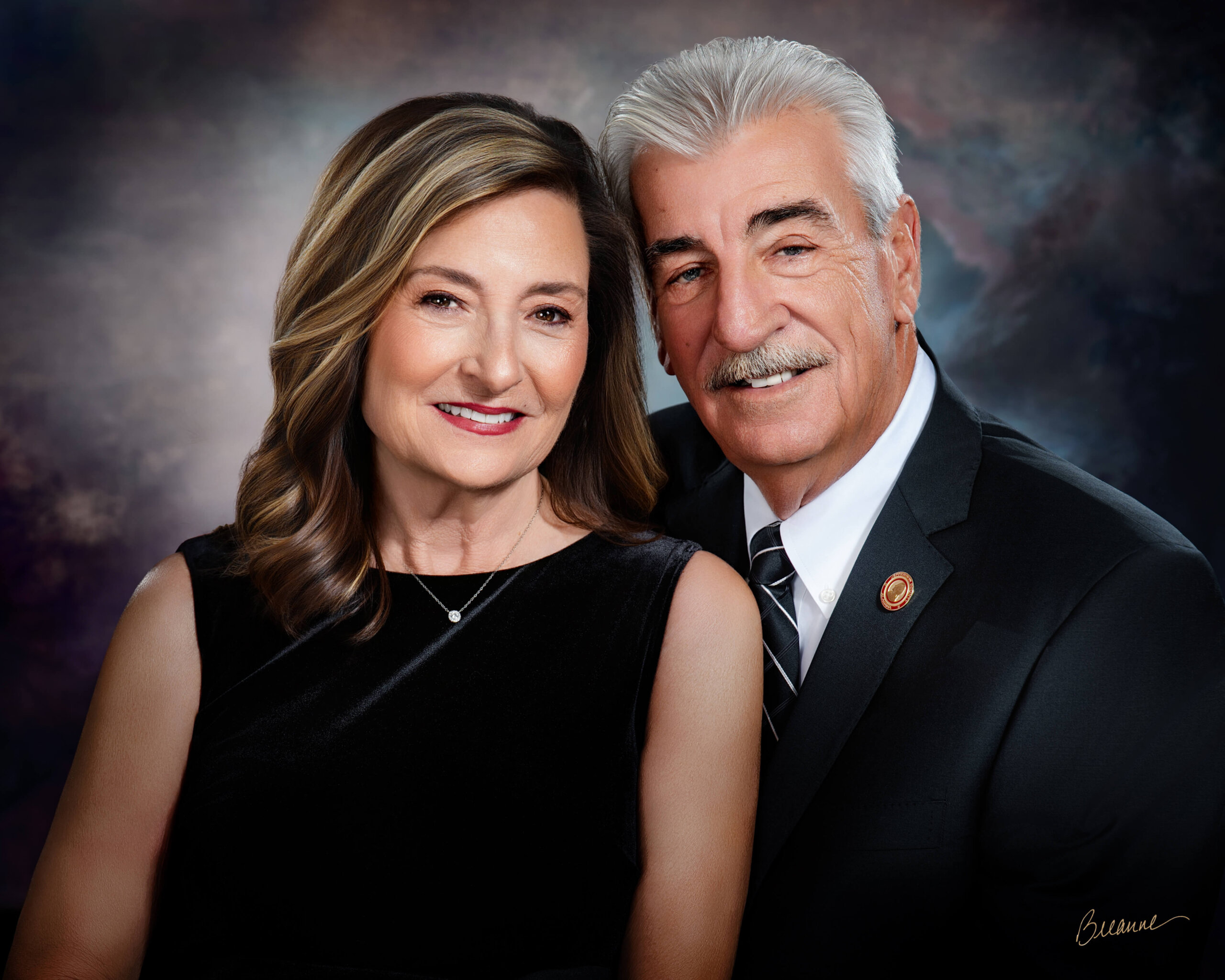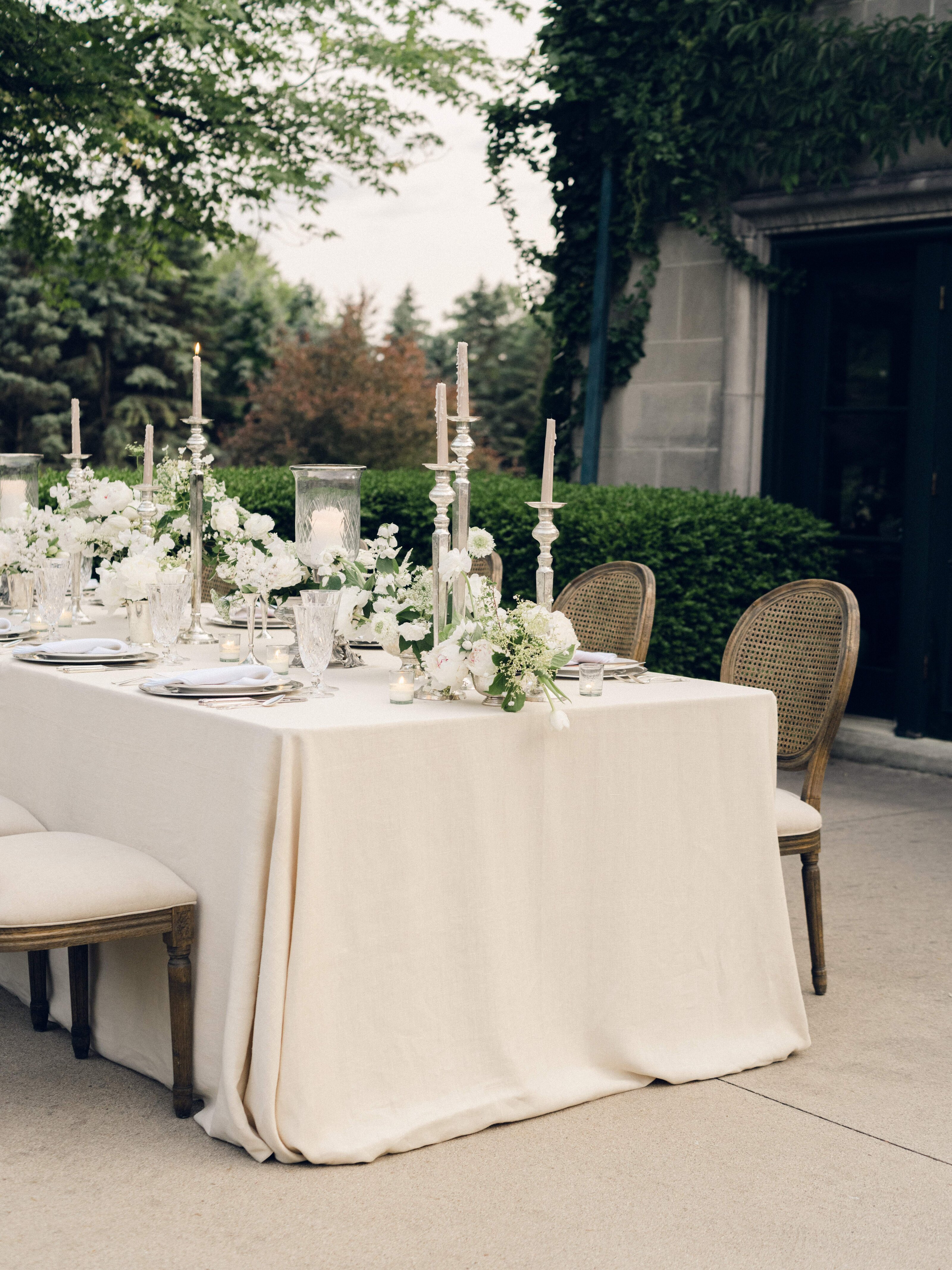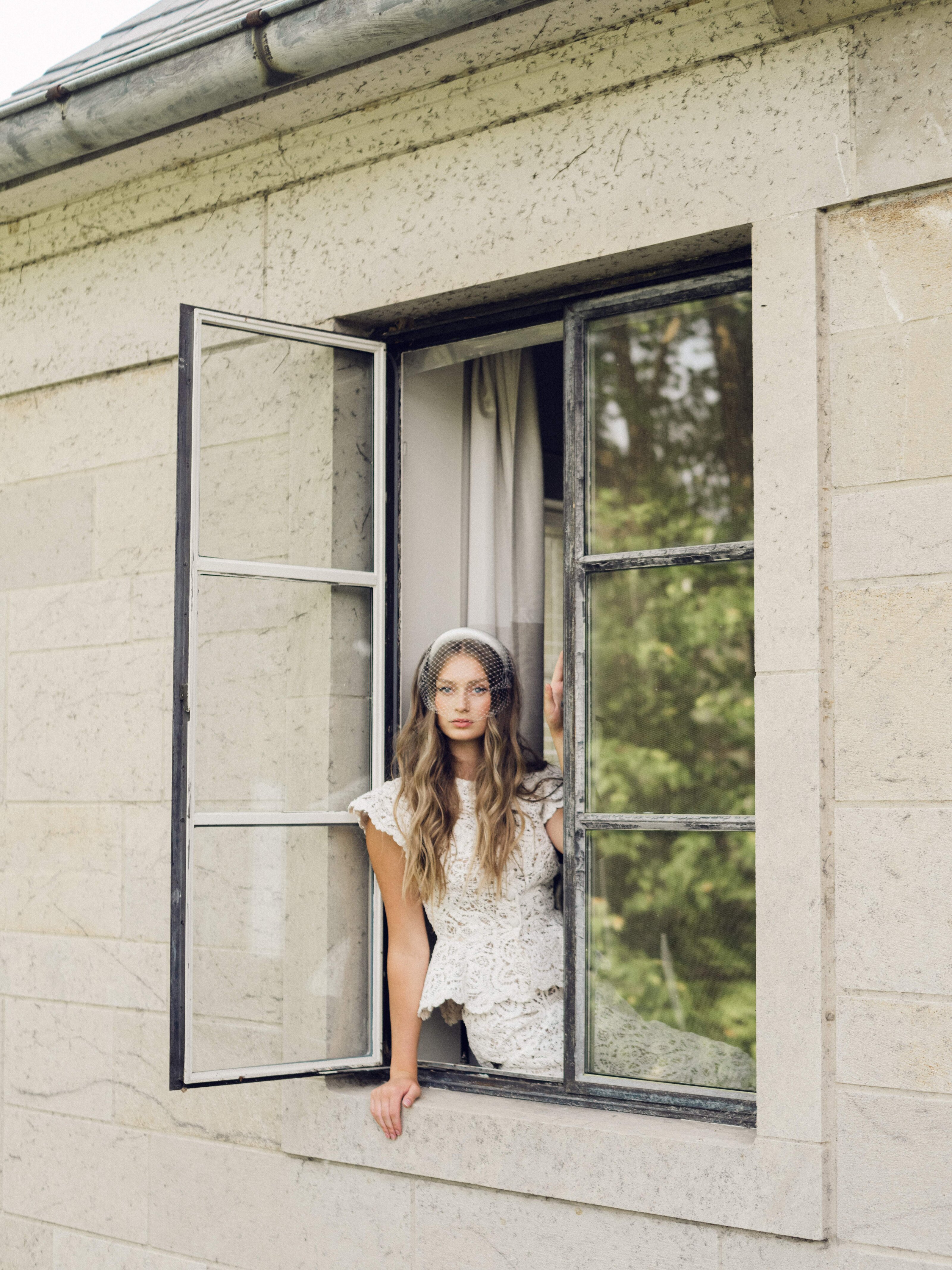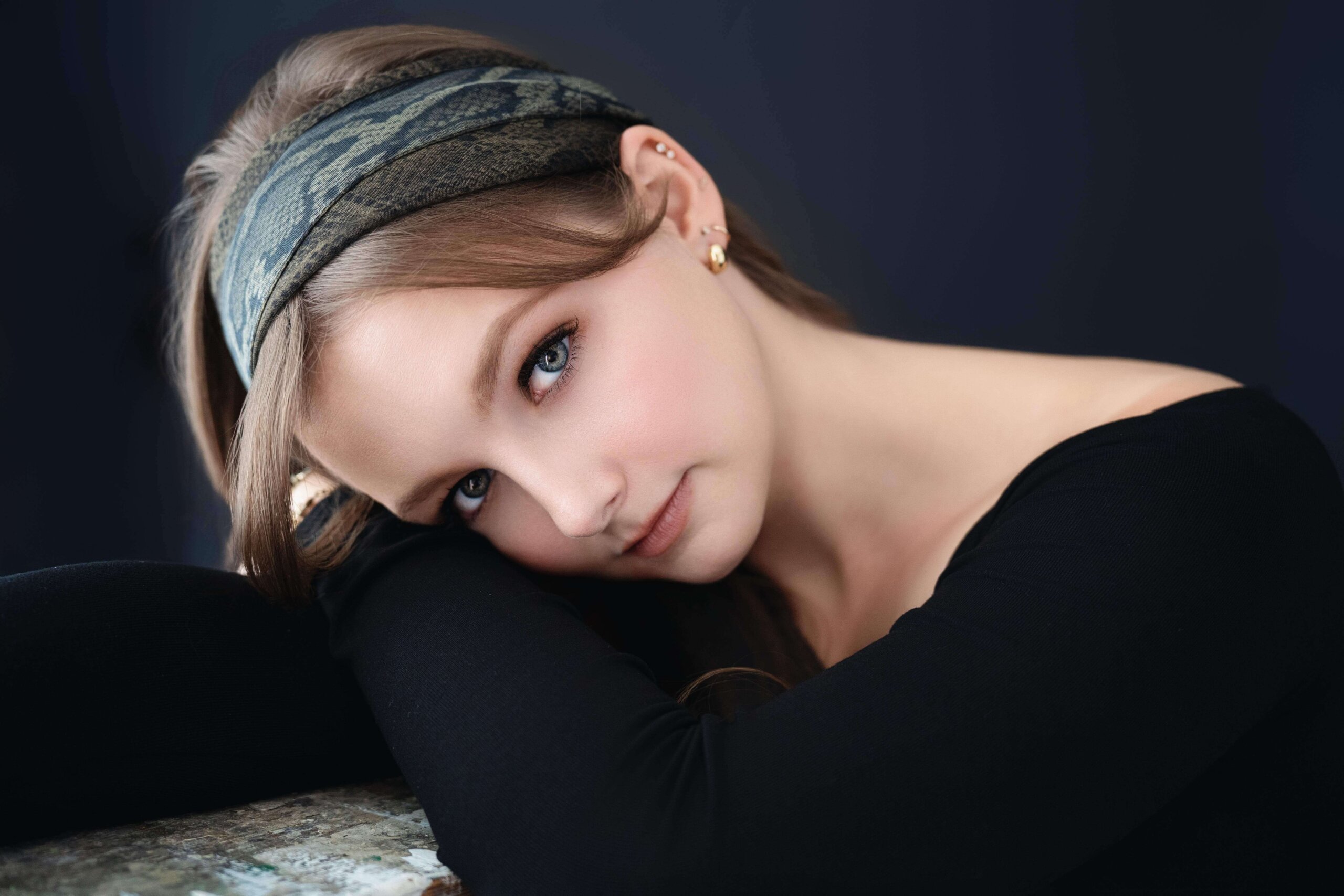
Imagine capturing a portrait so powerful it becomes a family heirloom, cherished for decades in Birmingham, Alabama and beyond. In this guide, you’ll discover the expert portraiture settings and subtle techniques that transform ordinary moments into painted portraits, soulful family portraits, striking headshots, or intimate boudoir sessions.
Thank you for reading this post, don't forget to subscribe!Whether you’re seeking to refine your craft or create museum-quality results, you’ll find advanced insights and actionable steps here. Explore camera controls, lighting artistry, composition, posing, and post-production—all curated to help your portraits resonate with legacy and emotion.
Understanding the Foundations of Portraiture Settings
The path to heirloom portraiture begins with intention and mastery of the fundamentals. Every detail, from the camera you choose to the subtle play of settings, shapes the emotion and legacy within your images. Portraiture settings are the silent architects behind every painted portrait, glowing family portrait, and timeless headshot. Let’s explore how these foundational elements transform fleeting moments into lasting treasures.
The Role of Camera Type and Sensor Size
Choosing between full-frame, APS-C, or medium format isn’t just a technical decision—it’s a creative one. Each sensor size brings its own flavor to portraiture settings. Full-frame cameras offer a classic balance: smooth background blur, generous dynamic range, and true-to-life color. APS-C sensors, with their crop factor, pull you closer to your subject, intensifying intimacy but slightly narrowing depth and tonal nuance. Medium format, favored in luxury studios, delivers expansive detail and creamy tonal transitions, perfect for painted portraits destined for gallery walls.
|
Sensor Type |
Depth of Field |
Tonal Range |
Use Case |
|---|---|---|---|
|
Full-frame |
Shallow |
Wide |
Fine art, family portraits |
|
APS-C |
Moderate |
Good |
Lifestyle, candid sessions |
|
Medium format |
Ultra-shallow |
Exceptional |
Museum-quality, legacy prints |
Your choice of sensor guides the mood and technical possibilities of your portraiture settings, echoing through every frame.
Essential Exposure Settings: Aperture, Shutter Speed, ISO
The soul of portraiture settings lies in the careful dance of aperture, shutter speed, and ISO. A wide aperture (f/1.2–f/2.8) wraps your subject in softness, separating them from the world. Shutter speed determines whether movement is frozen or gently blurred, shaping the energy of the scene. ISO, when kept low, preserves luminous skin and subtle details—especially crucial for family portraits and boudoir in natural light.
Consider this classic setup for heirloom portraits:
Aperture: f/1.8
Shutter Speed: 1/200 sec
ISO: 100
White Balance: Custom (Kelvin 5600K)
Thoughtful portraiture settings elevate headshots to art, as explored in the Professional Headshot Camera Settings guide. Each adjustment shapes the emotion and clarity of your image.
White Balance and Color Profiles
True-to-life skin tones are a hallmark of refined portraiture settings. Custom white balance adapts to any environment, ensuring your subjects glow with authenticity. For painted portraits or archival family portraits, color profiles matter—Adobe RGB captures a wider spectrum, while sRGB is ideal for digital sharing.
-
Use a gray card or a custom Kelvin value for consistency.
-
Select Adobe RGB for prints, sRGB for web.
-
Adjust color profiles in-camera or during RAW processing.
These portraiture settings ensure each portrait radiates warmth and truth.
Focusing Modes and Autofocus Techniques
Sharp, expressive eyes are the soul of any portrait. Portraiture settings here are about precision. Single-point autofocus lets you place clarity exactly where you want it. Eye-detection AF tracks subtle movements, keeping the gaze alive. In painterly or fine-art sessions, manual focus offers complete creative control, letting you linger on the details that matter most.
-
Single-point AF: Best for composed, still moments.
-
Eye-detection AF: Ideal for candid family portraits or children.
-
Manual focus: Perfect for boudoir or creative, slow-paced work.
Choosing the right portraiture settings for focus ensures every glance, every micro-expression, is preserved in perfect detail.
File Formats: RAW vs. JPEG for Portraiture
The final step in foundational portraiture settings is your choice of file format. Shooting in RAW unlocks the full potential of your camera, granting flexibility for artistic retouching and color grading. JPEGs are convenient but compress information, sometimes losing nuance in skin and shadow.
-
RAW: Maximum post-processing control, essential for heirloom artwork.
-
JPEG: Fast, easy sharing, but less depth for editing.
Many professionals rely on a RAW workflow for headshots and boudoir, ensuring every subtlety is preserved until the final print. These portraiture settings safeguard your images, ready to become family treasures or elegant painted portraits.
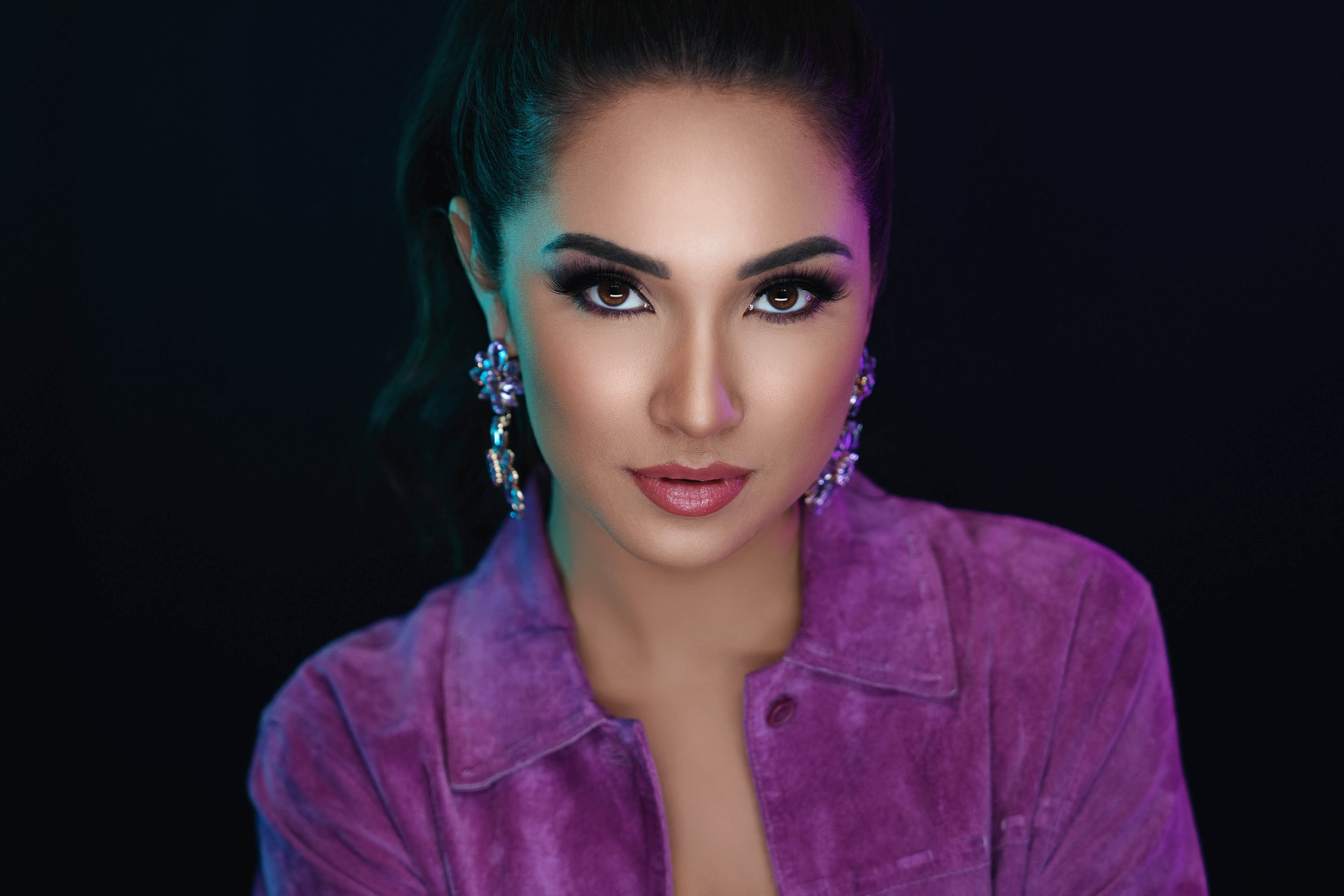
Mastering Light: Natural, Studio, and Painterly Approaches
Light is the soul of legacy portraiture. It sculpts faces, evokes mood, and transforms ordinary moments into heirlooms. Whether you’re photographing family portraits in Birmingham, Alabama, or painting with shadows in an intimate boudoir, understanding how to harness light will elevate your portraiture settings from technical to timeless.
Harnessing Natural Light for Emotional Impact
Natural light is forgiving, poetic, and endlessly versatile. In portraiture settings, it creates soft skin tones, gentle transitions, and a sense of authenticity. Window light, especially from a north-facing window, wraps subjects in a diffused glow—ideal for expressive headshots or painted portraits. Golden hour, that brief window just after sunrise or before sunset, bathes family portraits in Birmingham’s lush parks with warmth and nostalgia.
Backlighting adds a halo effect, separating your subject from the background and infusing images with a dreamlike quality. Overcast days, often overlooked, offer even illumination and subtle shadows that flatter every face. For a step-by-step approach to outdoor portraiture, see this Outdoor Family Portrait Session Guide.
Mastering portraiture settings outdoors means balancing exposure, choosing a wide aperture for creamy backgrounds, and keeping ISO low to preserve luminous skin. Every choice shapes the legacy you create.
Studio Lighting Techniques for Refined Results
Studio lighting in portraiture settings gives you unmatched control. Three-point lighting—key, fill, and hair or rim lights—creates depth and dimension. The key light defines your subject’s features, the fill softens shadows, and the rim adds separation from the background.
Modifiers like softboxes and umbrellas diffuse harsh light, producing gentle transitions and sculpted highlights. Reflectors bounce light back onto the face, erasing unwanted shadows. Editorial-style headshots thrive in this environment, where every detail is intentional and refined.
Balancing ambient and artificial light can add a layer of realism, making the subject feel grounded rather than isolated. With studio portraiture settings, you decide the story the light tells.
Painterly Lighting: Creating Timeless, Heirloom Portraits
Painterly lighting draws from the masters—think Rembrandt and Caravaggio. Chiaroscuro, with its interplay of light and shadow, brings drama and sculptural beauty to boudoir and family portraits alike. In these portraiture settings, a single directional light mimics the sun in a Renaissance painting.
Layering light by adding subtle fill or a gentle backlight adds depth, hinting at the timelessness of painted portraits. Rich shadows cradle the subject, while luminous highlights carve out features with elegance. Boudoir sessions often use this approach to create images that feel intimate yet grand, destined to become heirlooms.
Color Temperature and Mood
Color temperature is the emotional undertone of your portraiture settings. Warm tones (around 5500K) evoke comfort and nostalgia, perfect for family portraits and legacy artwork. Cool tones (below 4000K) introduce calm or introspection, ideal for fine art or editorial headshots.
Adjusting your camera’s Kelvin temperature helps maintain consistent skin tones across a session. When photographing in mixed lighting, custom white balance ensures true-to-life color, crucial for painted portraits and heirloom prints.
Think of color temperature as your emotional paintbrush, subtly shaping how viewers connect with your work.
Common Lighting Mistakes and How to Avoid Them
Even the most experienced artists encounter lighting challenges in portraiture settings. Overexposure can erase detail and flatten emotion. Harsh shadows may distract from a subject’s expression, while flat lighting leaves the image lifeless.
Common mistakes include:
-
Ignoring the direction of light
-
Forgetting to check white balance
-
Overusing on-camera flash
Corrections are simple but transformative. Move your subject, modify your light source, or use a reflector to soften shadows. Review your images as you shoot, making micro-adjustments for a polished, professional finish.
Each step refines your ability to shape light into legacy.
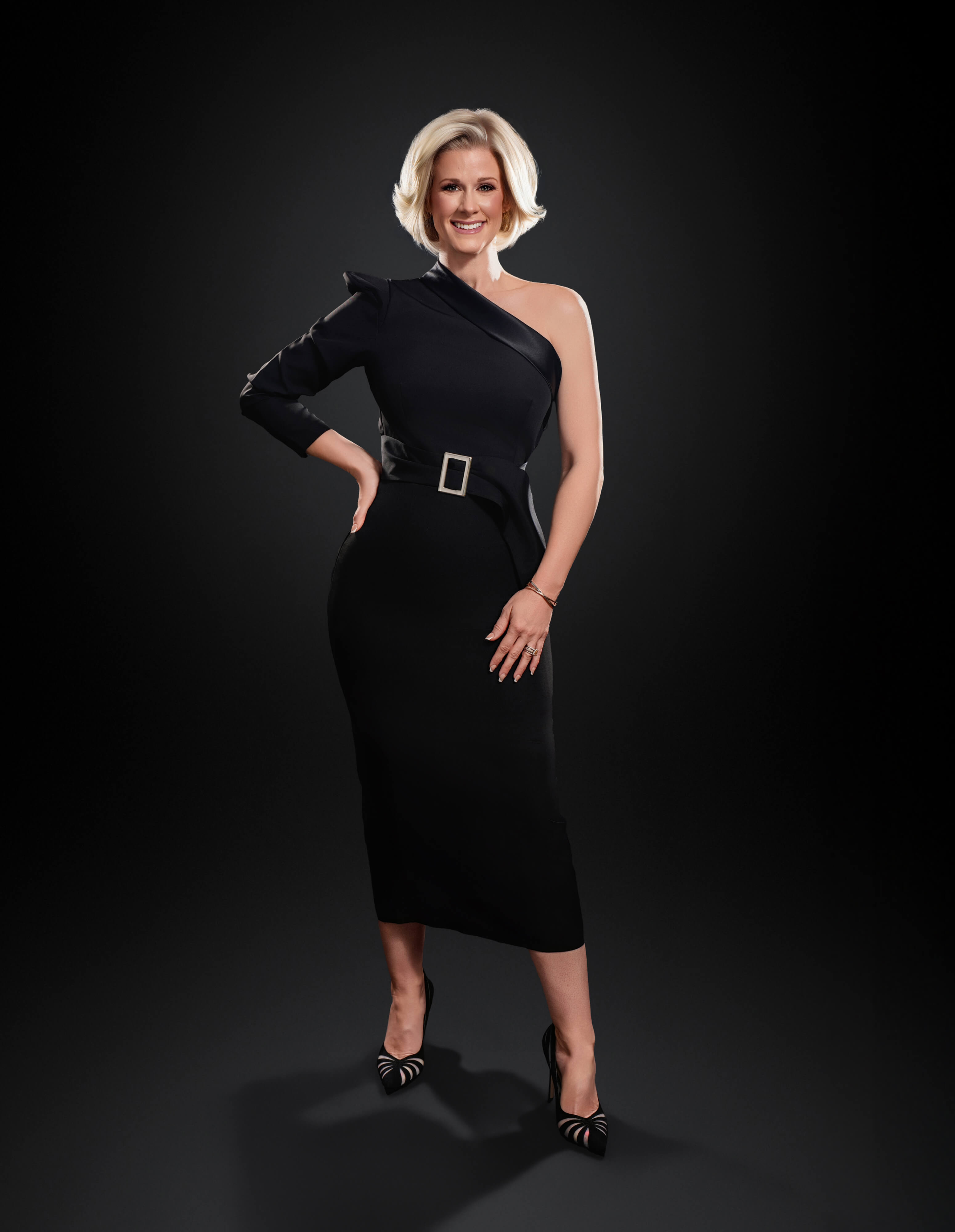
Composition and Posing: Crafting Legacy-Worthy Portraits
Creating portraits that feel timeless begins with intentional composition and posing. Every detail, from the way a subject is framed to the smallest gesture, shapes the emotional resonance of an image. True legacy portraits are born from a thoughtful blend of technical mastery and heartfelt connection, all guided by refined portraiture settings.
Principles of Portrait Composition
Strong composition transforms a simple photograph into a visual story. The rule of thirds brings balance, gently guiding the viewer’s eye to moments of connection or subtle emotion. Leading lines, whether a winding garden path in Birmingham or the gentle curve of an arm, invite the gaze inward.
Negative space breathes life into the image, allowing subjects to stand out with quiet grace. Framing can be achieved using windows, doorways, or even a beloved heirloom quilt, adding context and intimacy. In family portraits, layering loved ones at different depths creates warmth and dimension, a hallmark of expert portraiture settings.
Posing for Authenticity and Elegance
Genuine portraits are built on trust. Offer gentle direction, encouraging clients to relax their shoulders, soften their hands, and breathe naturally. For individuals, subtle shifts in weight and a slight turn of the chin flatter most face shapes, while couples benefit from prompts that inspire closeness and laughter.
Group portraits require harmony, with each person feeling seen yet part of a whole. Boudoir sessions, in particular, thrive on gentle, affirming guidance, nurturing confidence and self-expression. For more on intimate posing and lighting, explore these Boudoir Lighting and Posing Tips. In every scenario, portraiture settings should support natural movement and authentic emotion.
Working with Wardrobe, Props, and Set Styling
The right wardrobe and props add depth and storytelling to portraits. Encourage clients to select clothing in timeless hues and rich textures, such as linen, velvet, or cotton, which photograph beautifully and evoke a sense of heritage. Coordinating colors among family members creates cohesion without appearing too matched.
Heirloom objects, like a cherished book or a child’s favorite toy, infuse portraits with personal meaning. When styling a set, consider the narrative—perhaps a grandmother’s locket or a handmade quilt, each detail thoughtfully chosen to complement your portraiture settings.
Expressive Gestures and Micro-Expressions
The most evocative portraits capture fleeting moments—a quiet smile, a glimmer of pride, or the soft clasp of a parent’s hand. Guide your subjects with gentle conversation and encouragement, inviting them to share stories or recall joyful memories.
Watch for genuine reactions, not forced smiles. A subtle tilt of the head or a spark in the eyes can turn a simple image into a legacy piece. Use portraiture settings that allow you to respond quickly, preserving these authentic expressions as they unfold.
Camera Angles and Perspective
Angles and perspective shape not only how your subject appears, but how they feel in the final portrait. Shooting slightly above eye level flatters most faces, while a lower angle can add strength or drama. Experiment with creative perspectives for editorial or artistic sessions, such as reflections in a window or framing through foliage.
For painted portraits or formal headshots, maintain a classic approach with clean lines and gentle light. Every choice, from lens selection to camera height, should be intentional, supporting your overall portraiture settings and vision for the session.
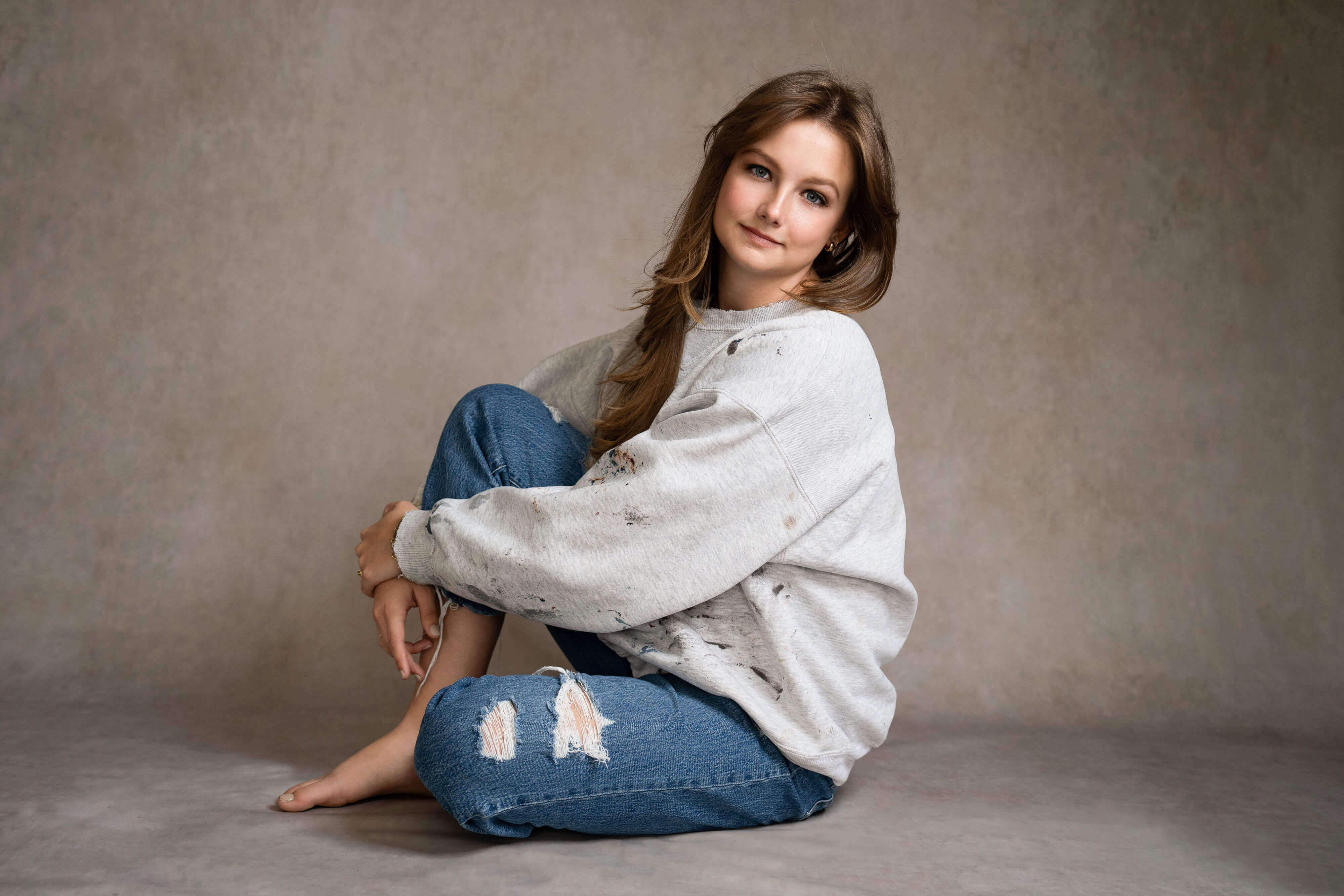
Step-by-Step Guide: Achieving Stunning Portraiture Results
Creating a portrait that endures for generations requires more than technical know-how. It’s a thoughtful dance, where every detail serves a deeper narrative. This guide walks you through each step, from the first conversation to the final, gallery-worthy image, weaving artistry and intention into every moment.
Step 1: Pre-Session Planning and Consultation
Begin with curiosity. Sit with your client, listen to their hopes, and learn about the legacy they wish to create. Ask about the relationships, the stories, and the mood they cherish.
Location matters. In Birmingham, Alabama, lush parks and historic homes offer a rich canvas. Discuss wardrobe choices that harmonize with the setting and the emotional tone. This planning lays the groundwork for intentional portraiture settings, ensuring every decision supports the vision from the very start.
Step 2: Setting Up Your Camera and Lighting
Tailor your gear to the session’s needs. For luminous family portraits, select a full-frame sensor and prime lens for creamy bokeh. For painterly boudoir, opt for a medium format camera to capture rich, subtle tones.
Set your aperture wide (f/1.2 to f/2.8) for a dreamy, blurred background. Adjust shutter speed to freeze gentle gestures or introduce motion for storytelling. Keep ISO low to preserve natural skin texture. Thoughtful portraiture settings here elevate every image, letting light sculpt the subject in a way that feels both honest and magical.
Step 3: Creating Comfort and Connection
A relaxed subject reveals true emotion. Before you even lift the camera, build trust. Share stories, play favorite music, and invite laughter. For children and pets, bring patience and gentle encouragement.
Guide your clients with simple directions, letting their personalities shine. The right portraiture settings are only part of the equation—authentic connection is what brings the image to life.
Step 4: Directing and Capturing the Portrait
As you shoot, stay present. Watch for subtle shifts in expression, the way light dances across a cheek, or a fleeting glance between siblings. Offer gentle prompts, adjusting pose and angle to flatter each individual.
Use single-point or eye-detection autofocus for sharp, expressive eyes. Adjust portraiture settings in real time, adapting to changing light or mood. This flexibility lets you capture portraits that feel alive and deeply personal.
Step 5: Reviewing and Refining On-Set
Pause to review images on set. Tethered shooting allows instant feedback, so you and your client can see what’s working. Make micro-adjustments—shift a light, smooth a collar, refine pose.
Discuss what feels authentic and what needs a subtle change. This step ensures your portraiture settings and creative choices align, creating images worthy of display in the finest homes.
Step 6: Post-Session Image Selection
Invite your client into the selection process. Present a curated gallery of images that evoke emotion and tell their story. Encourage them to choose portraits that resonate on a personal level.
For those seeking heirloom family portraits, consider sharing Heirloom Family Photography Techniques to help guide their choices. Your portraiture settings should have created a collection where every image feels timeless, ready to become a treasured legacy.
Step 7: Post-Processing and Artistic Finishing
Retouch with restraint. Preserve natural skin texture and the honesty of each expression. Adjust color and contrast for cohesion, using custom profiles to maintain consistency across the gallery.
Prepare files for print, canvas, or painted portraits. Show before-and-after examples to highlight the transformation. With careful attention to portraiture settings and artistic finishing, your final images will not only capture a likeness but embody the spirit and legacy of your subjects.
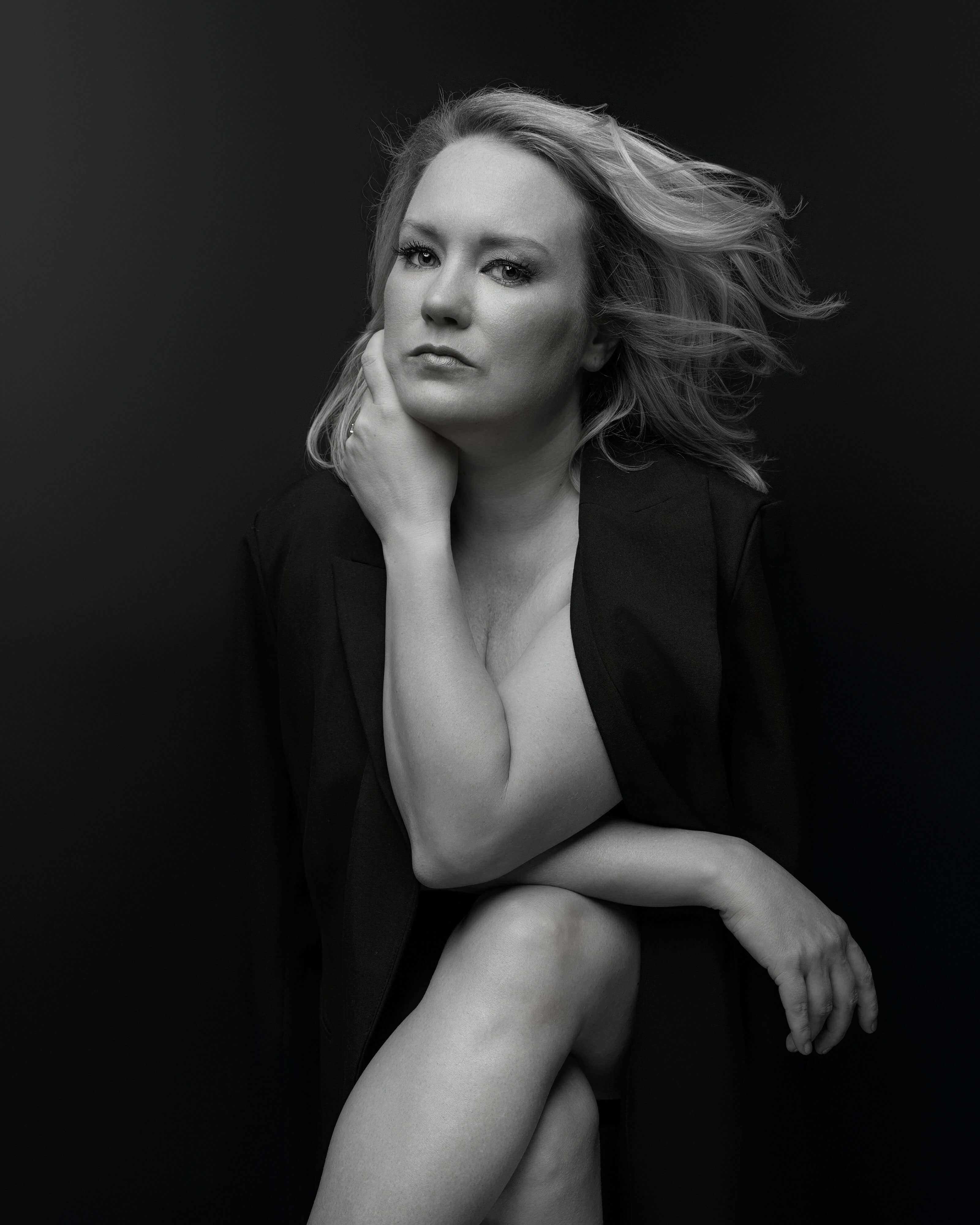
Advanced Portraiture Settings for 2025: Trends and Innovations
The landscape of portraiture settings in 2025 is defined by artistry, innovation, and a devotion to genuine connection. As technology evolves, so does the photographer’s palette, offering new ways to capture legacy and emotion in every frame. Let’s explore the tools and trends shaping heirloom family portraits, painted portraits, and editorial headshots in Birmingham, Alabama, and beyond.
AI and Computational Photography in Portraiture
Artificial intelligence is transforming portraiture settings with subtle precision and creative flair. Eye-detection autofocus, background blur simulation, and smart exposure tools now enable photographers to focus on emotion and storytelling rather than technical barriers. AI-powered cameras and editing software make it easier to capture luminous skin tones, expressive eyes, and painterly light.
For those seeking to elevate their portraiture settings, AI-Assisted Photography reveals how automated editing and intelligent features are empowering artists to craft authentic, emotionally resonant images. Whether in luxury studios or on-location family portraits, these advances help ensure every detail feels intentional and timeless.
Mirrorless vs. DSLR: The 2025 Landscape
Mirrorless cameras have emerged as the preferred choice for portraiture settings in 2025. Their silent shutters, real-time previews, and lightweight bodies offer a quieter, more personal experience, especially during intimate boudoir or family sessions. In Birmingham’s leading studios, the ability to adjust exposure, white balance, and focus in the moment gives photographers total control.
A quick comparison:
|
Feature |
Mirrorless |
DSLR |
|---|---|---|
|
Autofocus |
Eye-detection |
Single-point |
|
Preview |
Real-time |
Optical |
|
Weight |
Light |
Heavier |
|
Silent Shooting |
Yes |
Limited |
Choosing the right portraiture settings often means embracing mirrorless for its versatility and unobtrusive presence, especially when capturing natural expressions in painted portraits or heirloom headshots.
Medium Format and High-Resolution Sensors
Medium format cameras and ultra-high-resolution sensors are now more accessible, making them coveted tools for portraiture settings that demand museum-quality detail. These systems deliver exquisite tonal range, creamy bokeh, and depth that elevate fine art family portraits or dramatic boudoir sessions.
Photographers in Birmingham, Alabama, are increasingly turning to medium format for large-scale prints and painted portraits. The clarity and subtlety these sensors provide ensure every nuance, from delicate skin texture to the gleam in a child’s eye, is preserved for generations.
Mobile Devices and On-Location Portraiture
Mobile devices have redefined on-location portraiture settings, allowing spontaneous creativity anywhere inspiration strikes. Advances in smartphone portrait modes, computational bokeh, and real-time HDR make it possible to craft striking images during family outings or urban headshots.
Yet, for professional results, understanding the limits of mobile sensors is key. Use natural light, keep ISO low, and pay attention to composition. Mobile portraiture settings are best complemented by thoughtful post-processing, ensuring even quick captures can become treasured heirlooms.
Color Science and Skin Tone Reproduction
Color science has become central to portraiture settings, especially when true-to-life skin tones and emotional resonance are paramount. Camera brands now offer custom color profiles, and many photographers use Adobe RGB or sRGB for consistent, heirloom-quality output.
Staying attuned to subtle shifts in color temperature can transform a family portrait or boudoir image, imbuing it with warmth or serenity. For more on capturing genuine emotion and natural color, Authentic Portraiture & Emotional Realism explores how 2025’s trends prioritize candid moments and luminous skin.
Elevating Your Portraiture: The Artist’s Mindset and Ongoing Growth
Stepping beyond technical skill, true artistry in portraiture settings springs from a cultivated mindset. The camera becomes an extension of your vision, not just a tool. Growth happens as you embrace vulnerability, curiosity, and the quiet pursuit of legacy through every family portrait, headshot, or painted portrait you create in Birmingham, Alabama or beyond.
Cultivating Emotional Depth and Storytelling
Every portrait holds a story, and the most resonant images carry emotion that lingers. To infuse your work with depth, listen closely to your subjects. What matters to them? What legacy do they hope to leave? Use portraiture settings to draw out genuine moments—a soft gaze, a gentle embrace, a fleeting smile.
Step back and observe the small gestures. Allow silence to invite emotion. The right portraiture settings paired with attentive listening can reveal truths words never could. Each session is a chance to create an heirloom, not just an image.
The Value of Artistic Experimentation
Mastery in portraiture settings is not a destination but a journey. Experiment with unconventional lighting, unique compositions, and unexpected color profiles. Try shooting at different times of day, or explore new ways to pose families, couples, and even pets.
Creative innovation is now supported by advanced editing frameworks like Total-Editing: Head Avatar with Editable Appearance, Motion, and Lighting, which allow artists to push boundaries with motion and light. Let yourself play, fail, and discover. Each experiment, whether in boudoir or family portraits, sharpens your intuition and deepens your style.
Continuous Learning and Community
Portraiture settings evolve, and so should your skills. Seek out workshops, join mentorship programs, and invite honest critique from peers. The Birmingham, Alabama photography community is rich with collaborative projects and opportunities for growth.
Stay curious about new techniques, from cutting-edge autofocus to painterly lighting. Share your knowledge, learn from others, and let feedback refine your approach. Legacy is built not in isolation but through shared passion and support.
Preserving Your Work: Archival Printing and Display
The final step in any portrait journey is ensuring your work endures. Choose archival-quality materials for printing—canvas, fine art paper, acrylic, or metal. Each material offers a unique texture and longevity, transforming portraits into family heirlooms.
Consider how your portraiture settings impact the final print. Accurate color profiles and careful exposure choices ensure your headshots and painted portraits look as stunning on the wall as they do on screen. Thoughtful display preserves both beauty and legacy for generations.
So now you’ve got the inside line on settings and tricks that really make a portrait sing From camera choice to how you play with light and color it’s all about setting the stage for something timeless But even with all those details dialed in sometimes you just want a guide someone who listens sees what matters to you and helps create an image that feels like you in your best light If you’re thinking about having portraits made or just want to talk through your ideas and see what’s possible let’s chat You can Book Your Portrait Consultation whenever you’re ready
+ view the comments