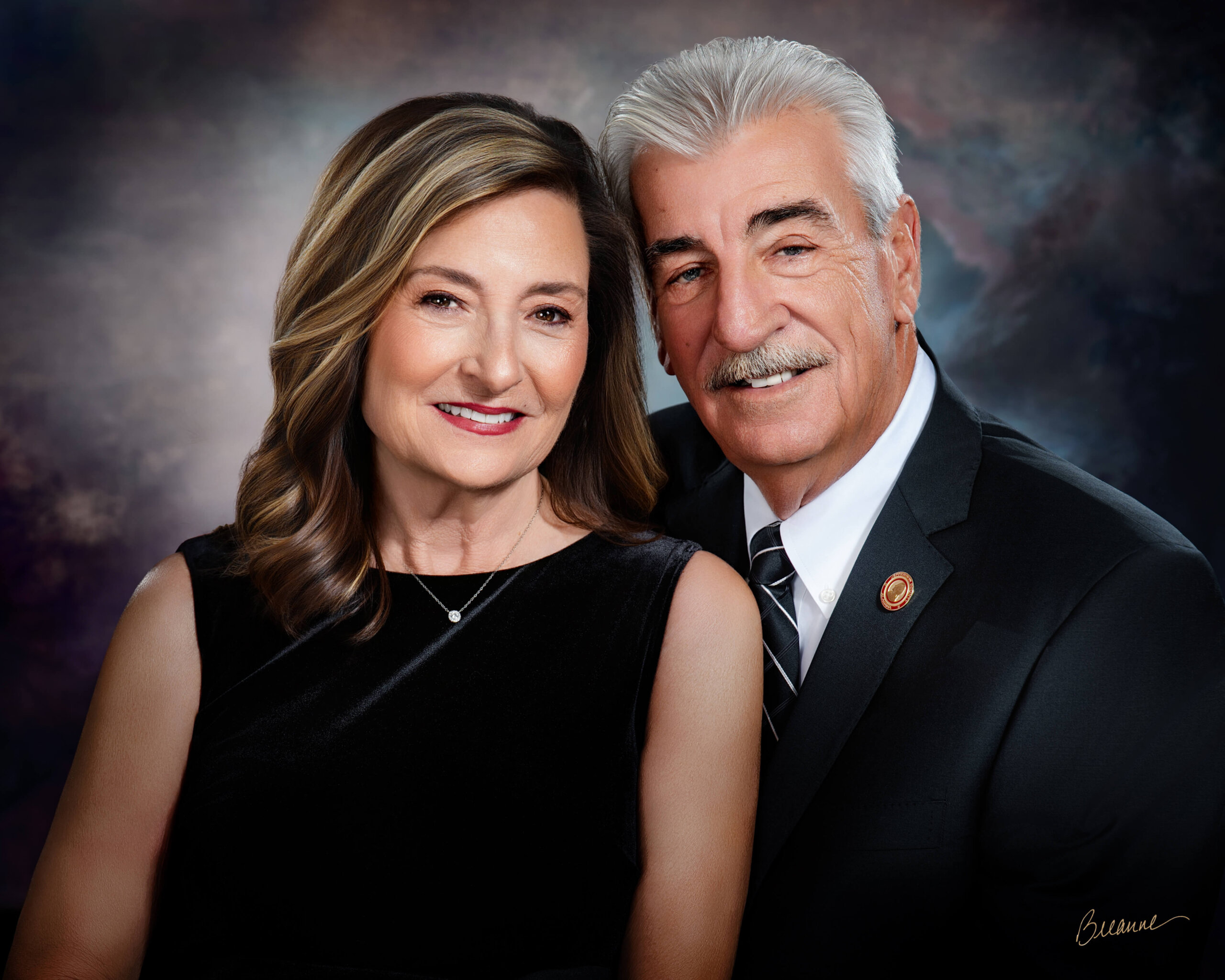
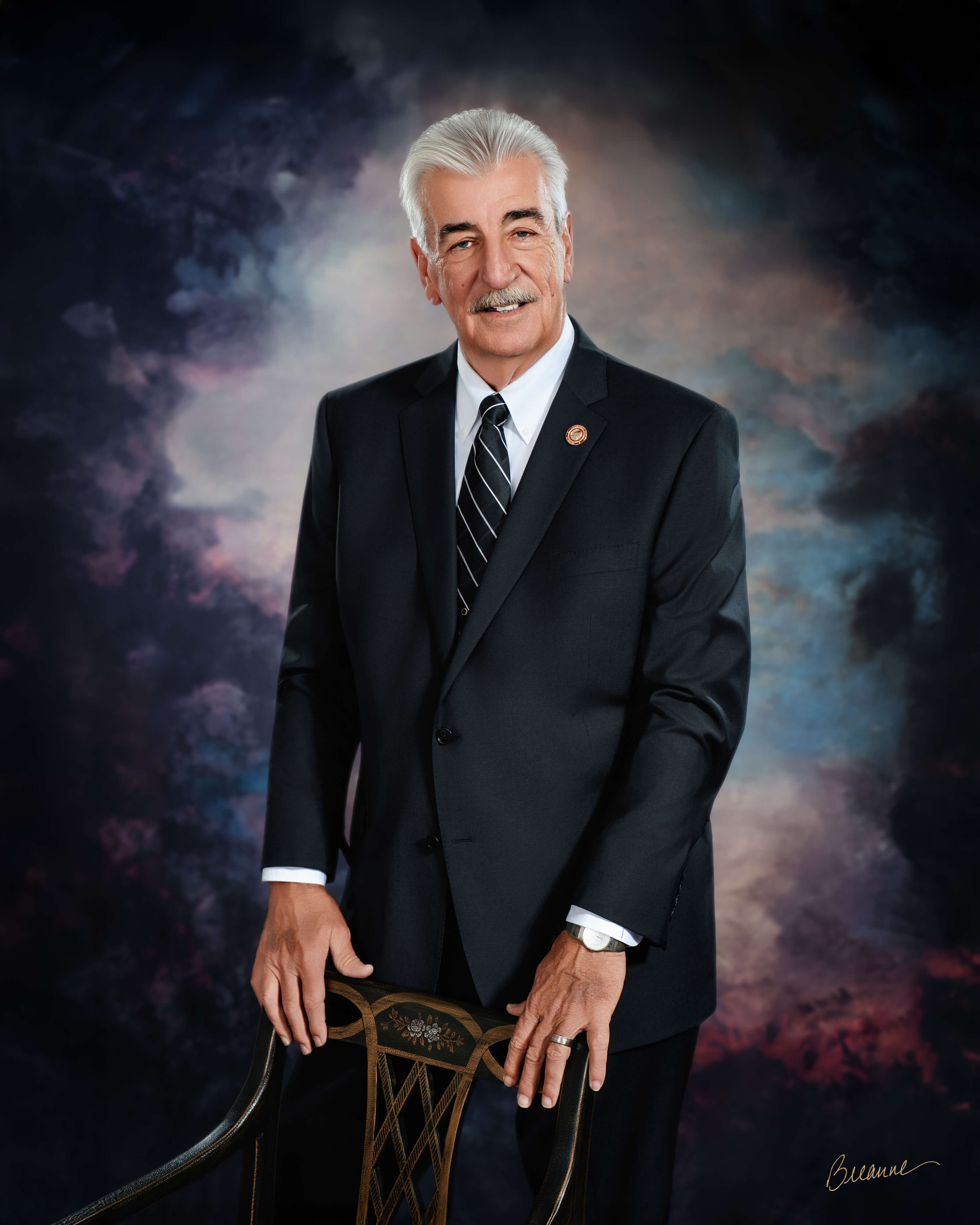
There's a particular quiet that settles into a studio when someone truly sees you. Not just the surface of you, but something deeper. That's the difference between someone who owns a camera and someone who understands light as a language. The professional photographer in 2026 isn't just technically proficient. They're part artist, part therapist, part historian. They understand that every portrait is a conversation between the person in front of the lens and the generations who will hold that image decades from now.
Thank you for reading this post, don't forget to subscribe!The landscape of photography has shifted dramatically over the past few years, and understanding what makes a professional photographer matters more than ever. Especially when you're entrusting someone with your family's legacy, your personal brand, or the intimate vulnerability of a boudoir session.
The Technical Foundation That Separates Professionals
A professional photographer carries more than expensive equipment. They carry years of understanding how light behaves in different environments, how to read a person's energy, and how to translate emotion into something tangible.
Core technical competencies include:
- Mastery of manual camera settings in any lighting condition
- Understanding of color theory and how it affects mood
- Expertise in both natural and artificial lighting setups
- Post-processing skills that enhance rather than overpower
- Knowledge of printing, archival quality, and artwork longevity
According to comprehensive photography industry statistics, professional camera sales grew by 25% in 2023, with mirrorless technology becoming the preferred choice among portrait specialists. But the camera body itself matters less than the person behind it.
What distinguishes a professional photographer from an enthusiast is the ability to deliver consistent, museum-quality results regardless of circumstances. Rain on a wedding day? No problem. Difficult lighting in a corporate office? They've solved for that a hundred times. A child who won't sit still? They know exactly how to turn chaos into magic.
The Investment in Continuous Education
The photography world evolves constantly. A professional photographer in 2026 stays current with emerging trends while maintaining a signature aesthetic that clients recognize and trust.
This means ongoing education in:
- New lighting techniques and equipment
- Evolving client expectations and communication styles
- Business practices and legal protections
- Artistic movements and historical reference points
- Technologies that serve the art without replacing it
The Business Side of Professional Photography
Being able to create beautiful images is only part of the equation. A true professional photographer operates a legitimate business with proper licensing, insurance, and client protections.
Industry experts warn that clients should always verify a photographer carries proper insurance and business licensing. This isn't bureaucratic nonsense. It's protection for both parties.
Essential business components include:
| Business Element | Why It Matters | Professional Standard |
|---|---|---|
| Liability Insurance | Protects client and photographer | $1-2 million coverage minimum |
| Contracts | Clarifies expectations and deliverables | Customized per session type |
| Backup Systems | Ensures images are never lost | Multiple redundant backups |
| Client Communication | Builds trust and manages expectations | Clear timelines and responses |
A professional photographer treats every client interaction as part of the overall experience. From the first inquiry to the final artwork delivery, there's a cohesive system that makes clients feel valued and understood.
In Birmingham and throughout Alabama, this matters especially for luxury portrait experiences where clients invest significantly in heirloom artwork. You're not just buying digital files. You're entering into a creative partnership.
The Artistic Vision That Creates Legacy
Technical skill gets you in the door. Business acumen keeps the lights on. But artistry? That's what people remember fifty years later when they're holding a portrait of their grandmother.
A professional photographer develops a signature style that clients seek out specifically. This isn't about following trends. It's about cultivating a visual language that feels timeless.
Painterly Lighting and Intentional Composition
The best portrait work borrows from centuries of painting traditions. Rembrandt understood something about light and shadow that still applies when photographing a CEO for their corporate headshot or a mother with her newborn.
Painterly lighting creates dimension and emotion. It sculpts the face, highlights bone structure, and adds a three-dimensional quality that flat, harsh lighting can never achieve. This approach requires:
- Understanding of light ratios and how they affect mood
- Ability to see shadows as sculptural elements, not problems to eliminate
- Knowledge of color temperature and its emotional impact
- Patience to refine lighting until it's exactly right
When you look at truly exceptional portrait photography, you often can't immediately identify what makes it work. That's intentional. The technique disappears, and all you see is the person.
The Client Experience as Part of the Art
A professional photographer understands that the session itself is part of the final product. The person being photographed needs to feel safe, seen, and celebrated.
This is especially critical for boudoir photography, where vulnerability meets artistry. The photographer's ability to create a comfortable, empowering environment directly affects the quality of the final images.
Elements of an elevated client experience:
- Pre-session consultation to understand goals, preferences, and concerns
- Wardrobe guidance that considers body type, coloring, and the final artwork display
- Professional hair and makeup when appropriate for the session type
- Guided posing that feels natural, not forced
- Private reveal appointment to select and design artwork together
The reveal appointment deserves special attention. This is where a professional photographer shifts from artist to curator, helping clients see themselves through a new lens and select images that will become family heirlooms.
Technology as Tool, Not Replacement
The conversation around AI in photography has intensified recently. A 2025 survey revealed that 81% of professional photographers experienced improved work-life balance due to AI tools, with many clients unable to distinguish between AI-edited and manually edited images.
But here's what that statistic misses: AI can smooth skin and adjust exposure. It cannot create connection. It cannot read the subtle shift in someone's expression when they finally relax. It cannot understand that the grandmother's hands should be prominently featured because that's what the family will treasure most.
A professional photographer uses technology to enhance their vision, not replace it. They understand which tools serve the work and which ones diminish it.
When to Use AI and When to Trust Your Eye
| Situation | AI Assistance | Manual Artistry |
|---|---|---|
| Initial culling of hundreds of images | Helpful for obvious technical failures | Final selection requires human judgment |
| Basic exposure and color correction | Can establish baseline | Refinement needs artistic eye |
| Skin retouching | Can handle basic smoothing | Maintaining texture and character requires subtlety |
| Compositional decisions | Cannot replicate | Entirely human domain |
For heirloom family photography, the human element matters more than ever. These images will be printed, framed, passed down. They need to withstand decades of viewing without looking dated or obviously manipulated.
Specialization Versus Versatility
Most successful professional photographers in 2026 have chosen to specialize rather than attempting to be everything to everyone. This allows them to refine their craft and become known for specific types of work.
Common specializations include:
- Corporate and personal branding photography
- Family and children's portraiture
- Boudoir and intimate portraiture
- Fine art and painted portraits
- Pet and animal portraiture
- Wedding and event documentation
That said, there's value in understanding multiple genres. A photographer who excels at branding sessions brings different energy and technical knowledge than someone focused solely on children’s portraits. The best professional photographers understand how different disciplines inform each other.
The Local Context Matters
Photography doesn't happen in a vacuum. A professional photographer understands their regional aesthetic and cultural context while bringing their own vision to the work.
In Birmingham, Mountain Brook, Vestavia, and throughout the Alabama region, there's an appreciation for Southern elegance blended with modern sensibility. Clients here value tradition but don't want stuffy, outdated portraiture. They want timeless images with subtle contemporary touches.
This regional understanding shows up in:
- Location selection that honors local architecture and landscapes
- Wardrobe guidance that respects climate and cultural norms
- Styling choices that feel elevated but not out of place
- Final artwork that fits the homes and offices where it will be displayed
A professional photographer working in Alabama brings different aesthetic sensibilities than one in Manhattan or Los Angeles. Neither is better. They're simply attuned to different contexts.
Investment and Value Proposition
Let's talk about money, because it matters. Professional photography is an investment, and understanding the value proposition helps clients make informed decisions.
When you hire a professional photographer, you're paying for:
- Years of technical training and artistic development
- Professional-grade equipment and backup systems
- Business infrastructure including insurance and contracts
- Time spent in consultation, shooting, editing, and client care
- Expertise in printing and archival-quality artwork
- The intangible ability to create images that become family treasures
Starting a photography business requires significant investment before the first paying client walks through the door. Professionals who treat their craft as a legitimate business price accordingly.
For family portraits intended to become wall art and heirloom pieces, the investment typically ranges from several hundred to several thousand dollars depending on the scope and final artwork selections. This isn't arbitrary pricing. It reflects the true cost of creating museum-quality work that lasts generations.
Reading People and Creating Connection
Here's something that doesn't get discussed enough: a professional photographer needs to be part psychologist. The technical and artistic skills mean nothing if you can't help people relax and be themselves in front of the camera.
This requires:
- Emotional intelligence to read subtle cues
- Communication skills to guide without controlling
- Patience with clients who feel uncomfortable or self-conscious
- Ability to create safety for vulnerable moments
- Genuine interest in people's stories and experiences
The best sessions feel less like a photo shoot and more like a meaningful conversation that happens to be documented. When someone looks at images from their session and says "that's exactly how I want to be seen," that's the professional photographer's greatest success.
The Art of Guided Posing
Natural-looking portraits rarely happen naturally. They're the result of careful, invisible guidance from a photographer who understands body language, flattering angles, and how to make posing feel effortless.
This is particularly important for professional headshots where the subject needs to project confidence and approachability simultaneously. A slight shift in shoulder position, a different head tilt, proper hand placement – these details separate amateur snapshots from professional portraiture.
The Evolution of Professional Standards
What it takes to become a professional photographer has shifted over the years, but certain core principles remain constant. Technical excellence, business acumen, and artistic vision still form the foundation.
However, client expectations have evolved. People in 2026 expect:
- Responsive communication, often through multiple channels
- Clear timelines and delivery expectations
- Options for both digital and physical artwork
- An experience that feels personalized, not cookie-cutter
- Images that work across multiple platforms (print, digital, social media)
A professional photographer adapts to these changing expectations while maintaining their artistic integrity. They don't chase every trend, but they stay relevant and responsive to how clients actually use their images.
Why Local Expertise Still Matters
Despite the ability to hire photographers from anywhere, there's irreplaceable value in working with someone who knows your region intimately. They understand the light quality at different times of year, the best locations for various session types, and the local aesthetic preferences.
For Birmingham clients, this might mean knowing that indoor studio sessions often work better than outdoor shoots during Alabama's humid summers. Or understanding which locations offer classic Southern architecture without the tourist crowds. Or knowing local vendors for hair, makeup, and wardrobe styling.
This local knowledge combined with artistic excellence creates portraits that feel both timeless and rooted in place.
The Promise of Heirloom Quality
Not all professional photography is created equal. There's a significant difference between someone who delivers digital files and someone who creates painted portraits and archival artwork designed to last generations.
Heirloom-quality work requires:
- Understanding of archival printing standards
- Knowledge of paper, canvas, and substrate longevity
- Expertise in color management for consistent reproduction
- Relationships with quality labs and framing specialists
- Commitment to images that won't look dated in twenty years
This level of work costs more because it requires more. But when your great-grandchildren are looking at a portrait you commissioned in 2026, you'll understand why it mattered.
The professional photographer you choose becomes part of your story. They hold your family's memories, your professional identity, your most vulnerable moments. This isn't just about pretty pictures. It's about legacy, connection, and how you want to be remembered. If you're seeking museum-quality portraiture that honors both artistry and emotion, Breanne Fine Portraiture offers the refined, thoughtful approach that transforms a simple session into artwork worth preserving for generations.
+ view the comments